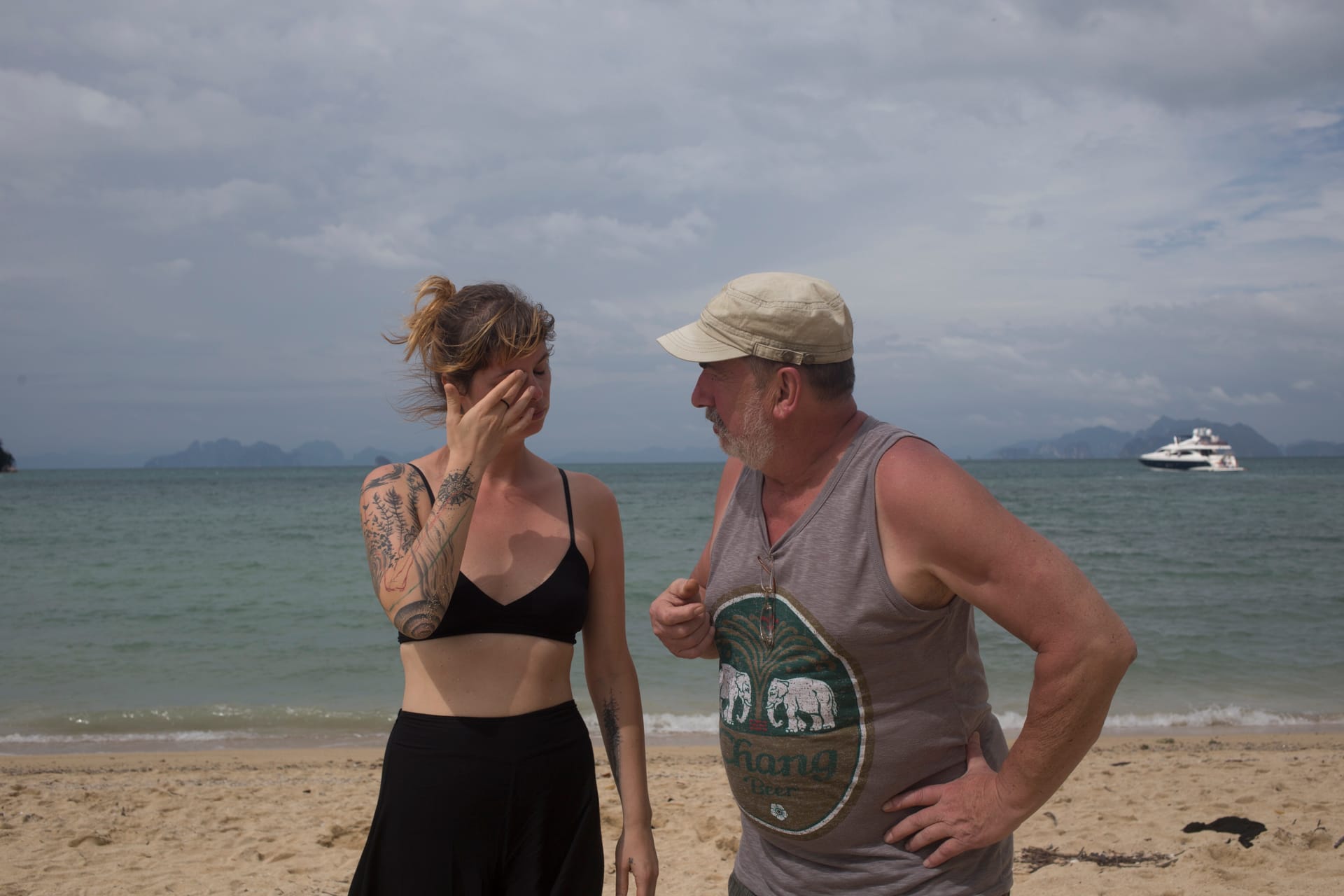
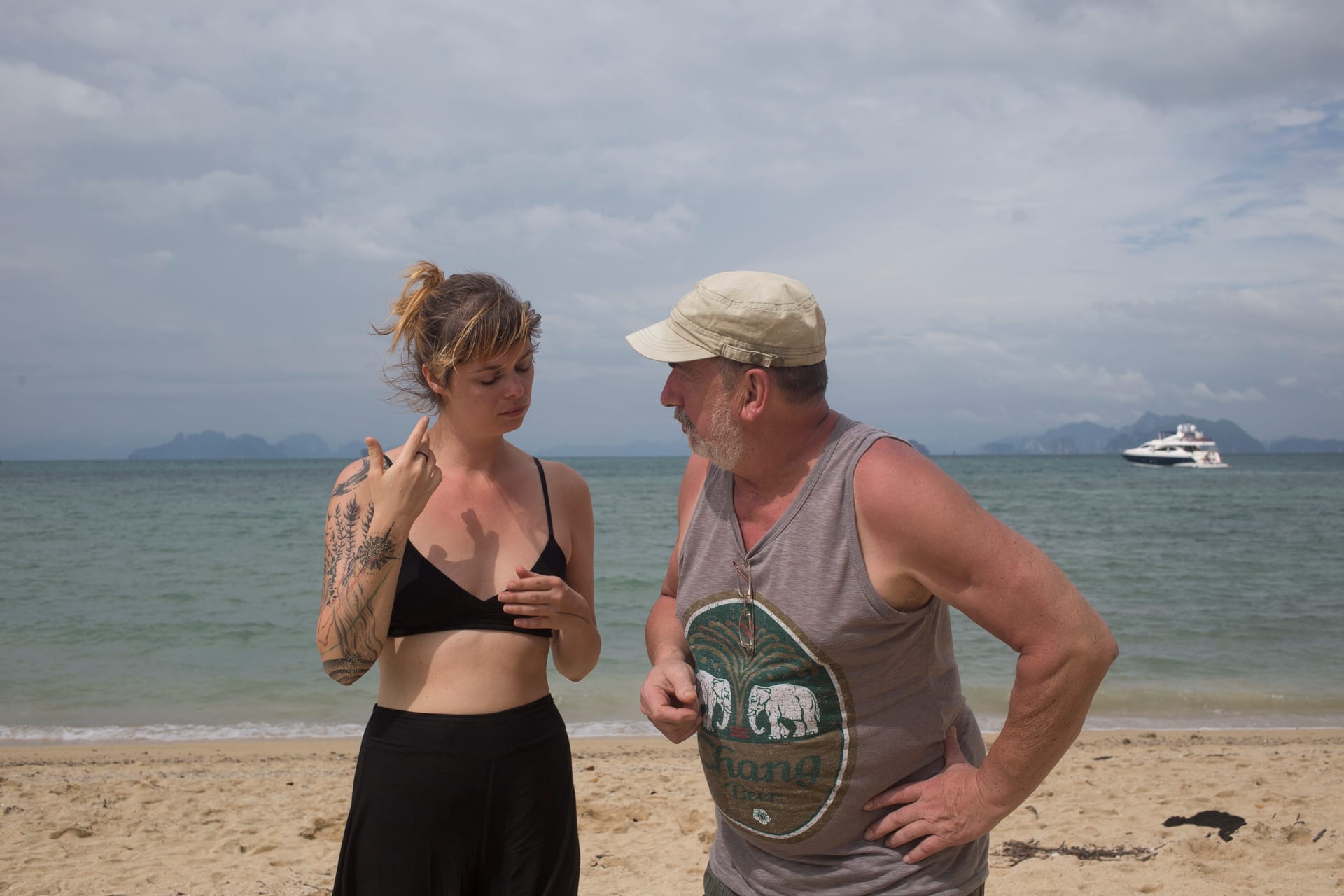
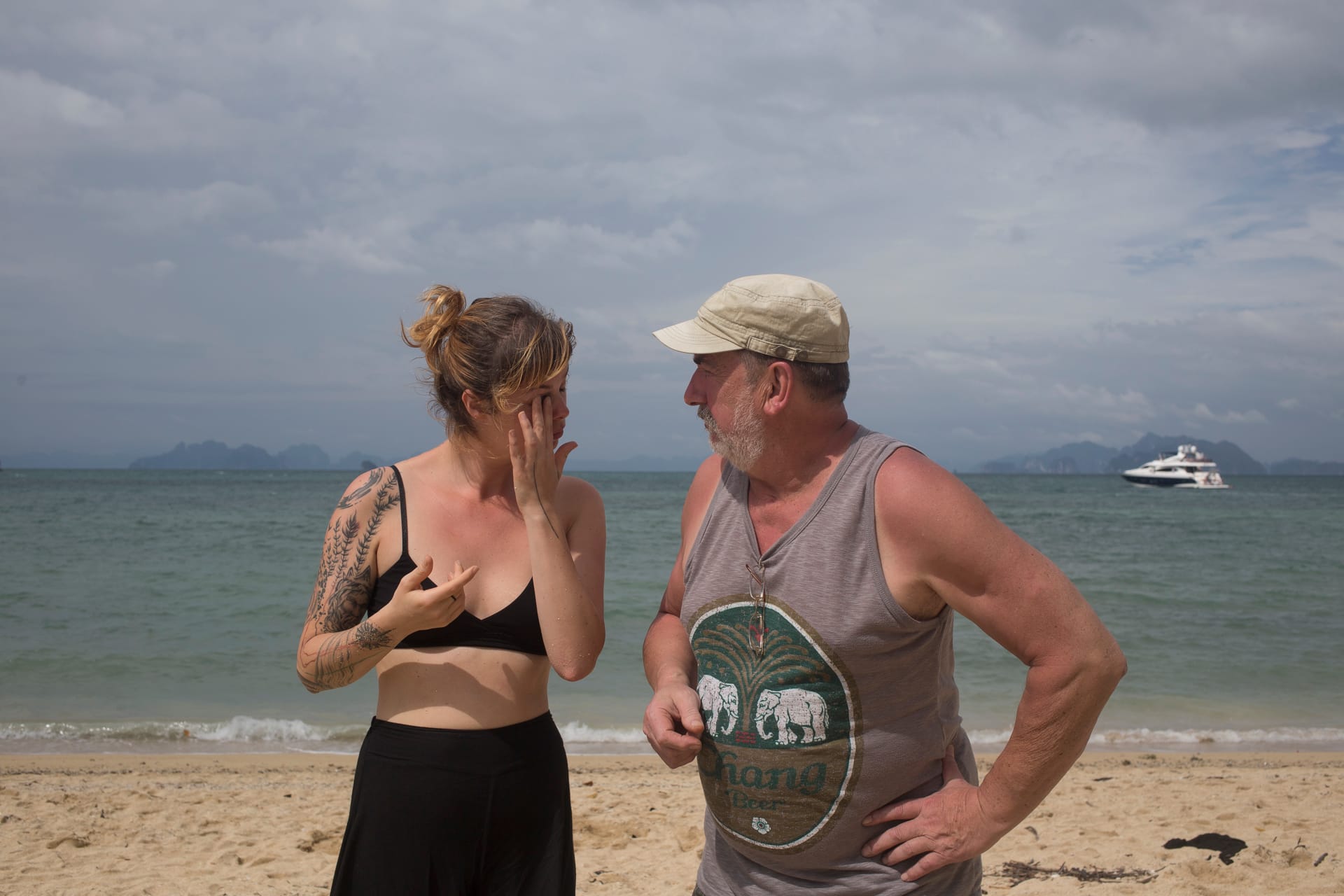
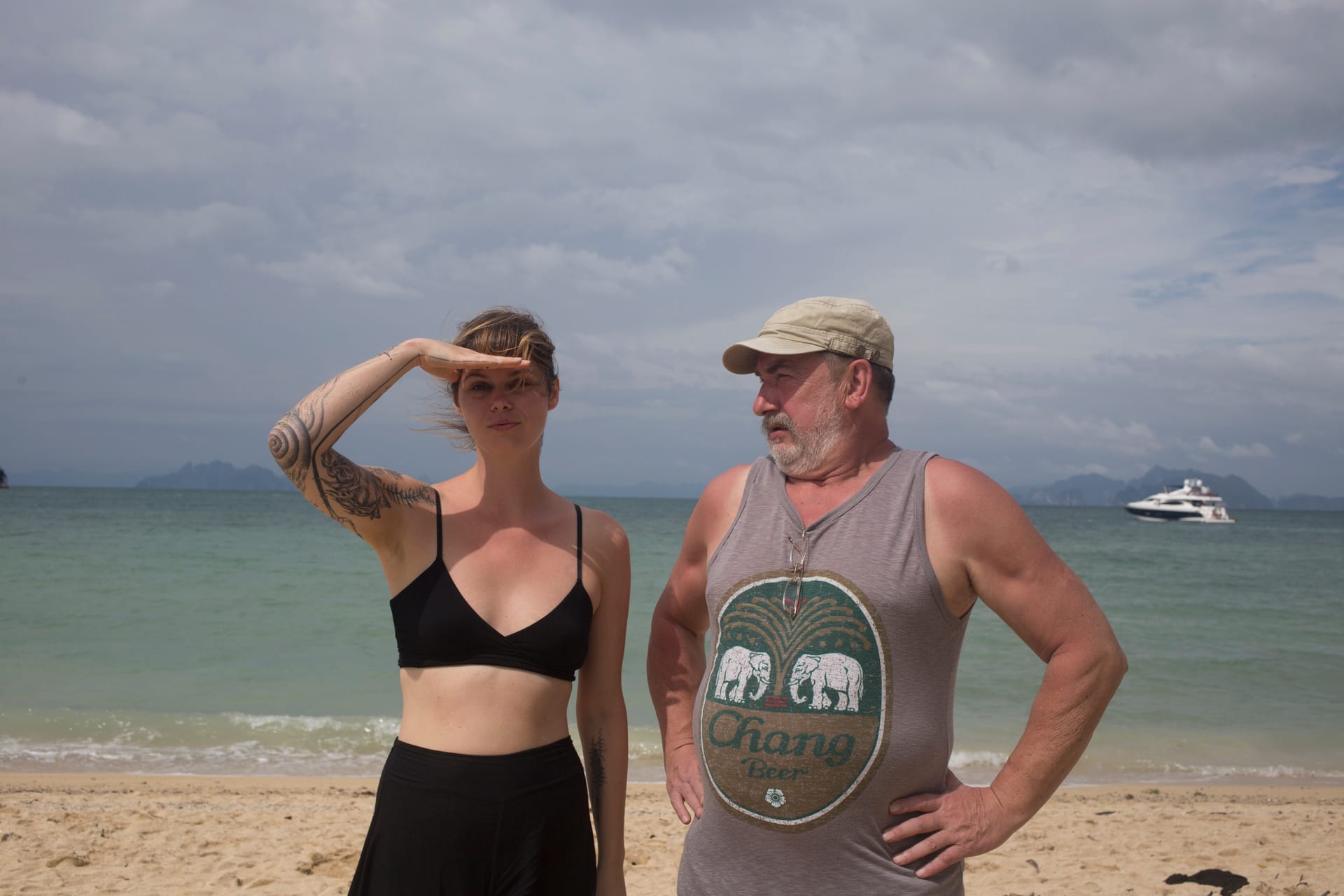
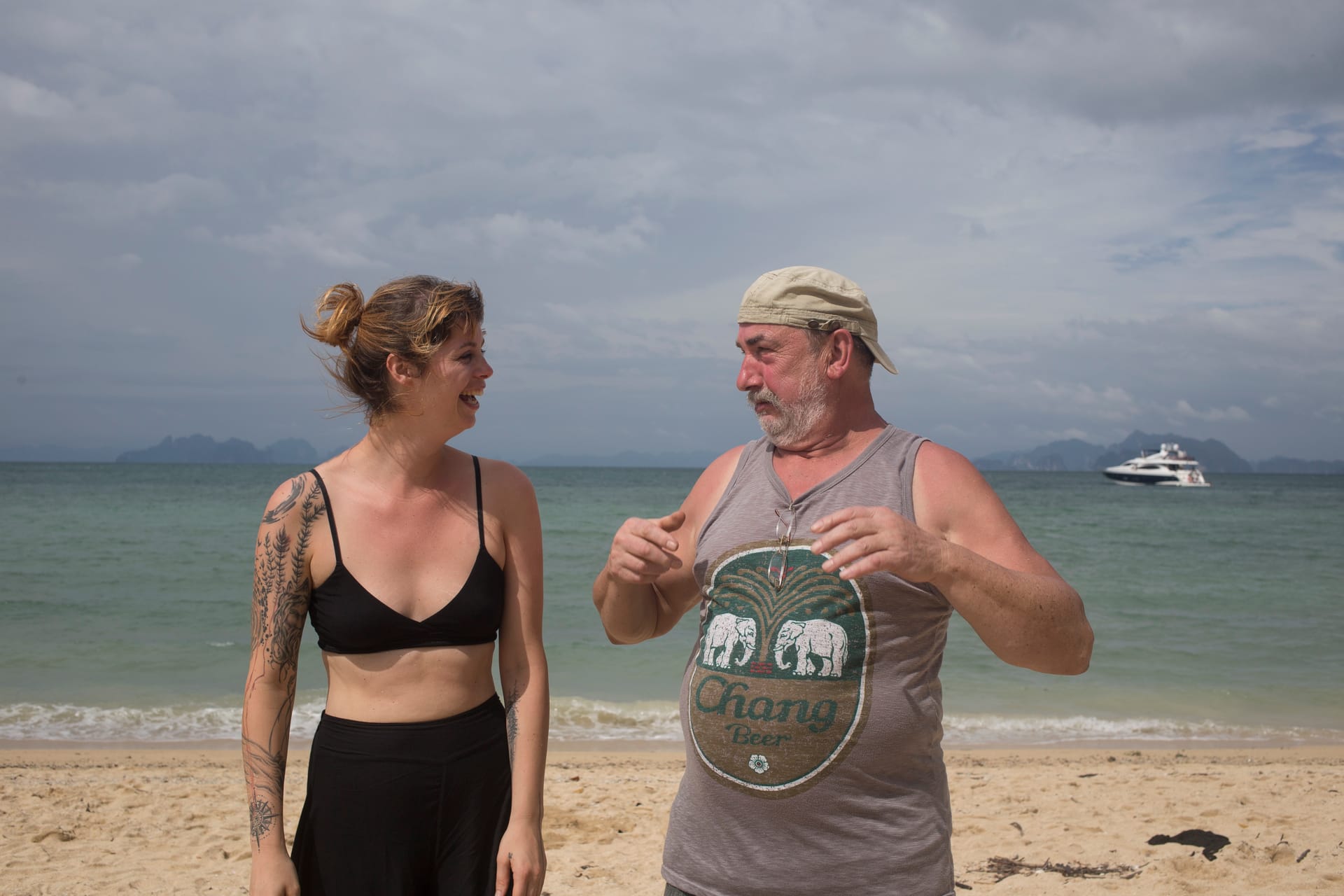
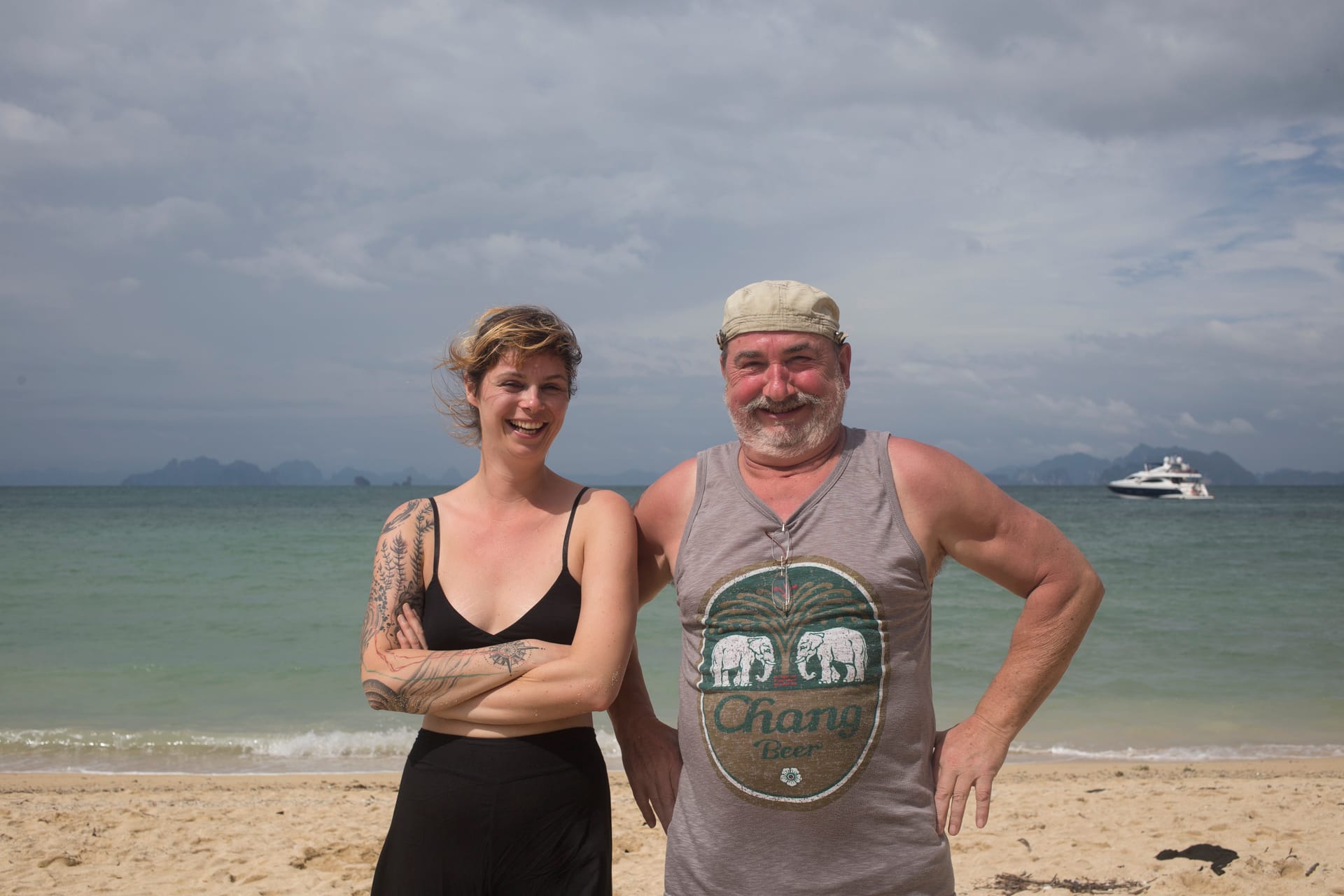
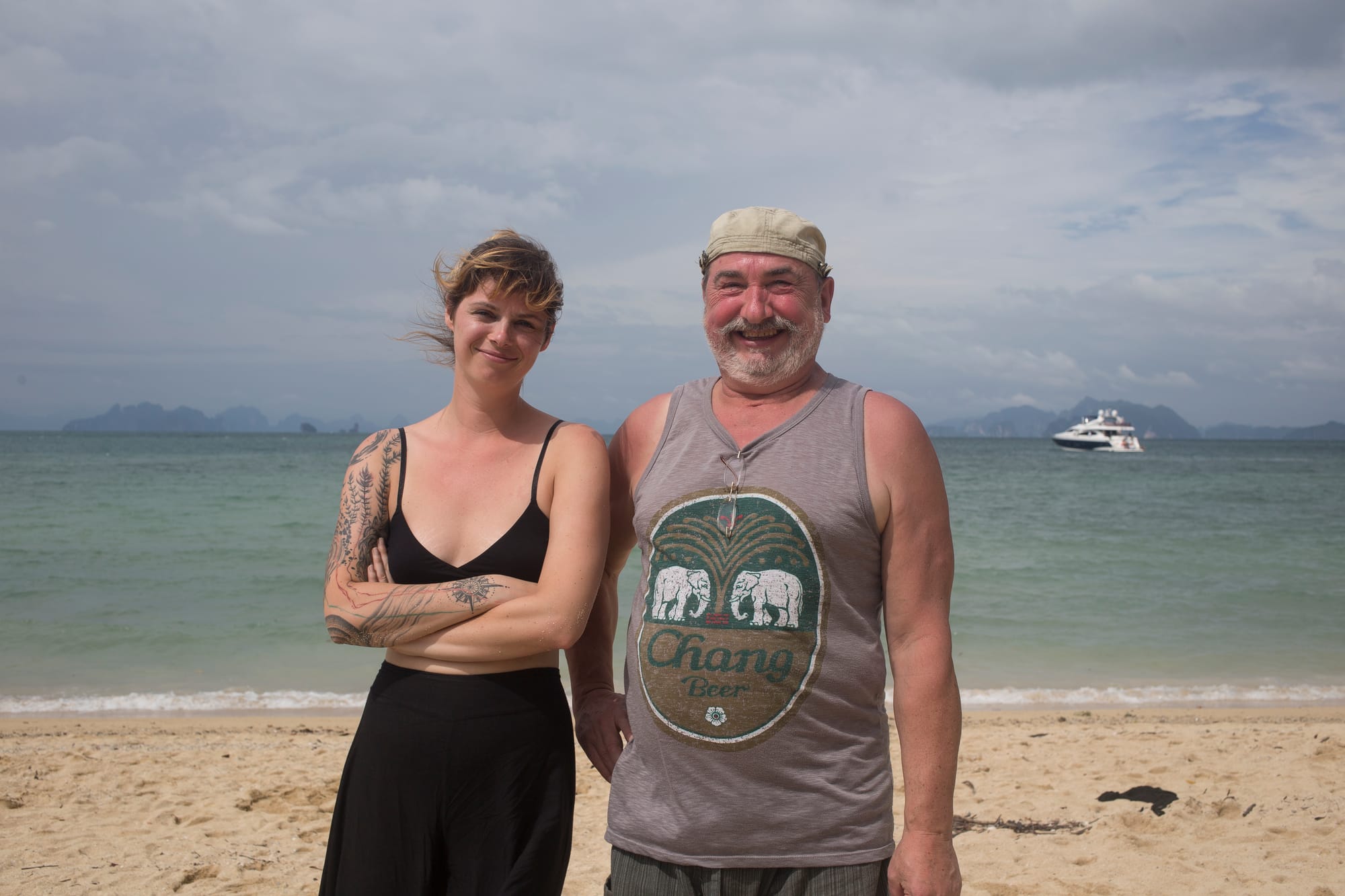
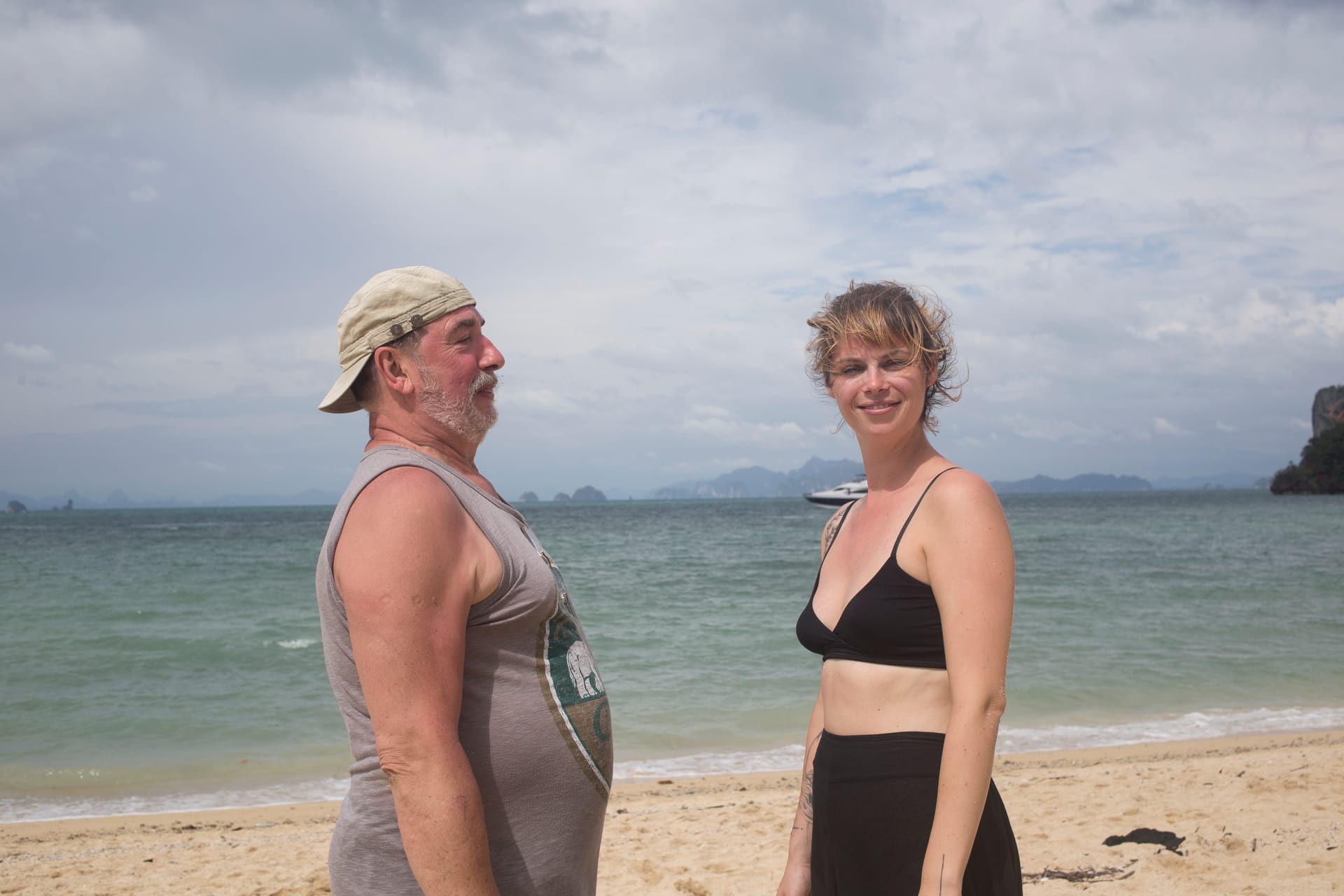
Das ist die erste autobiografische Arbeit der Künstlerin.
Nach dem Tod ihres Vaters, setzt sie sich mit diesem Verlust auseinander. Themen werden sichtbar, die starke Verbundenheit, ihrer gegenseitige bedingungslose Liebe und die daraus resultierende tiefer Trauer und dessen was da noch alles losgelassen werden muss, um selbst zu überleben.
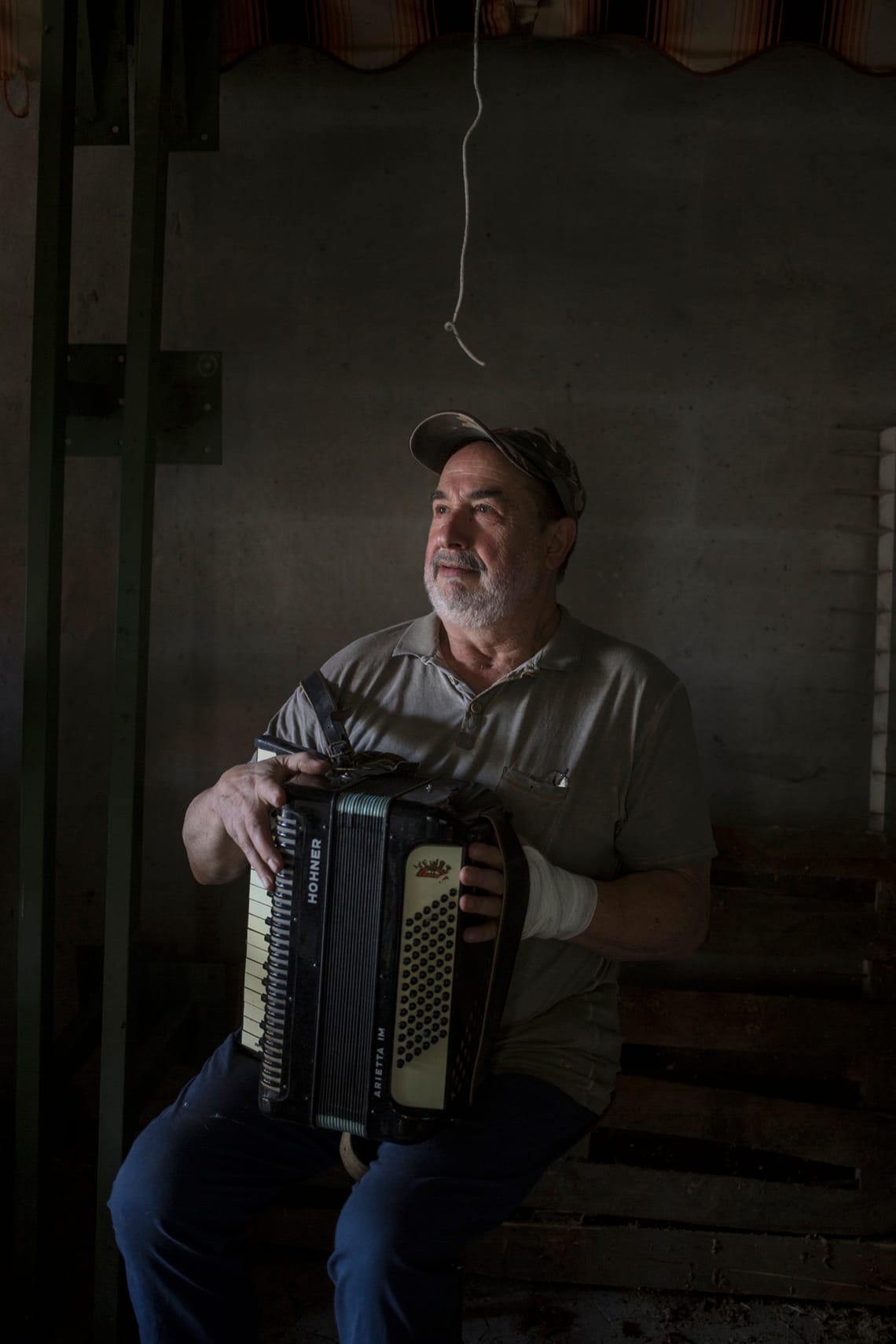
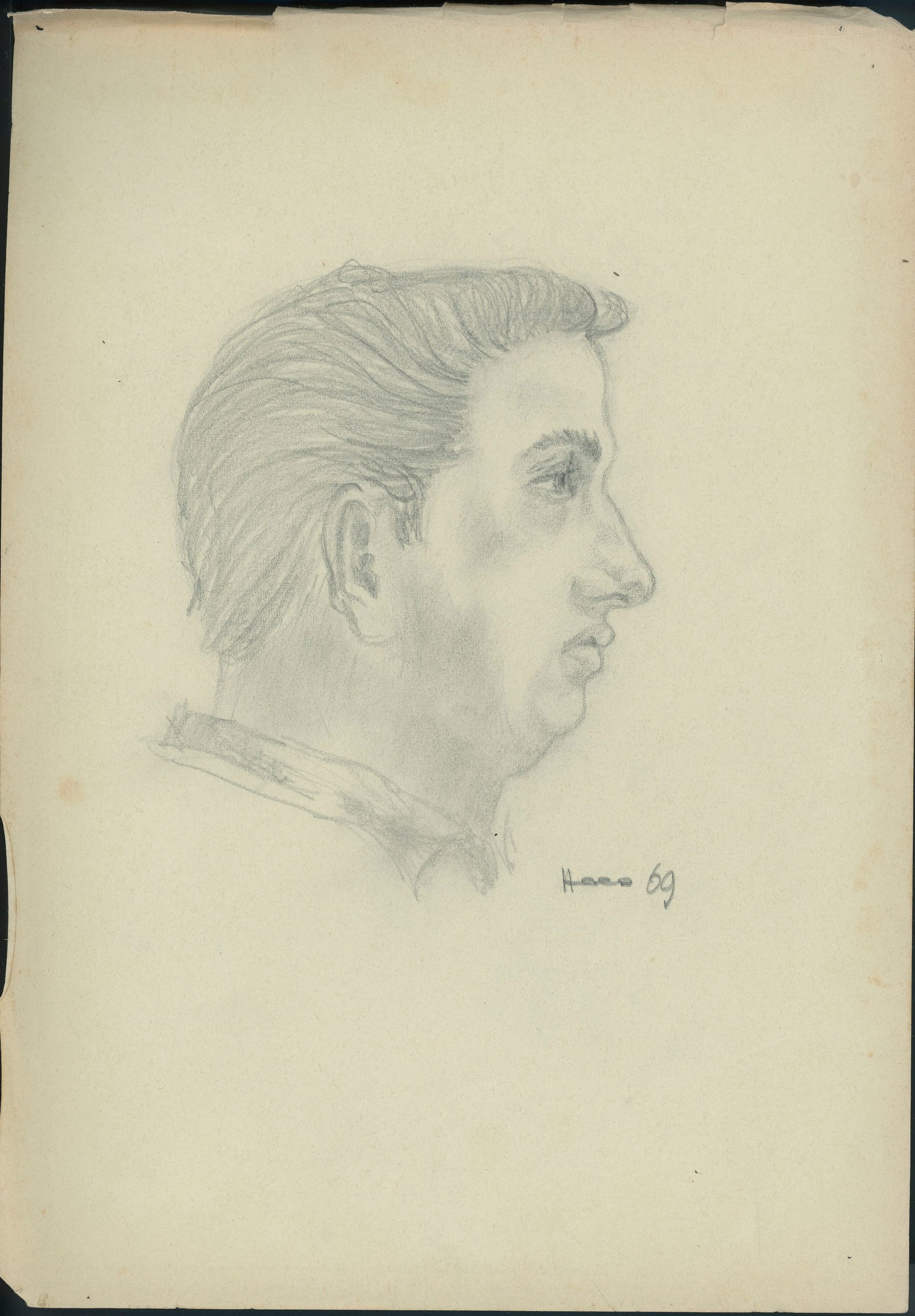
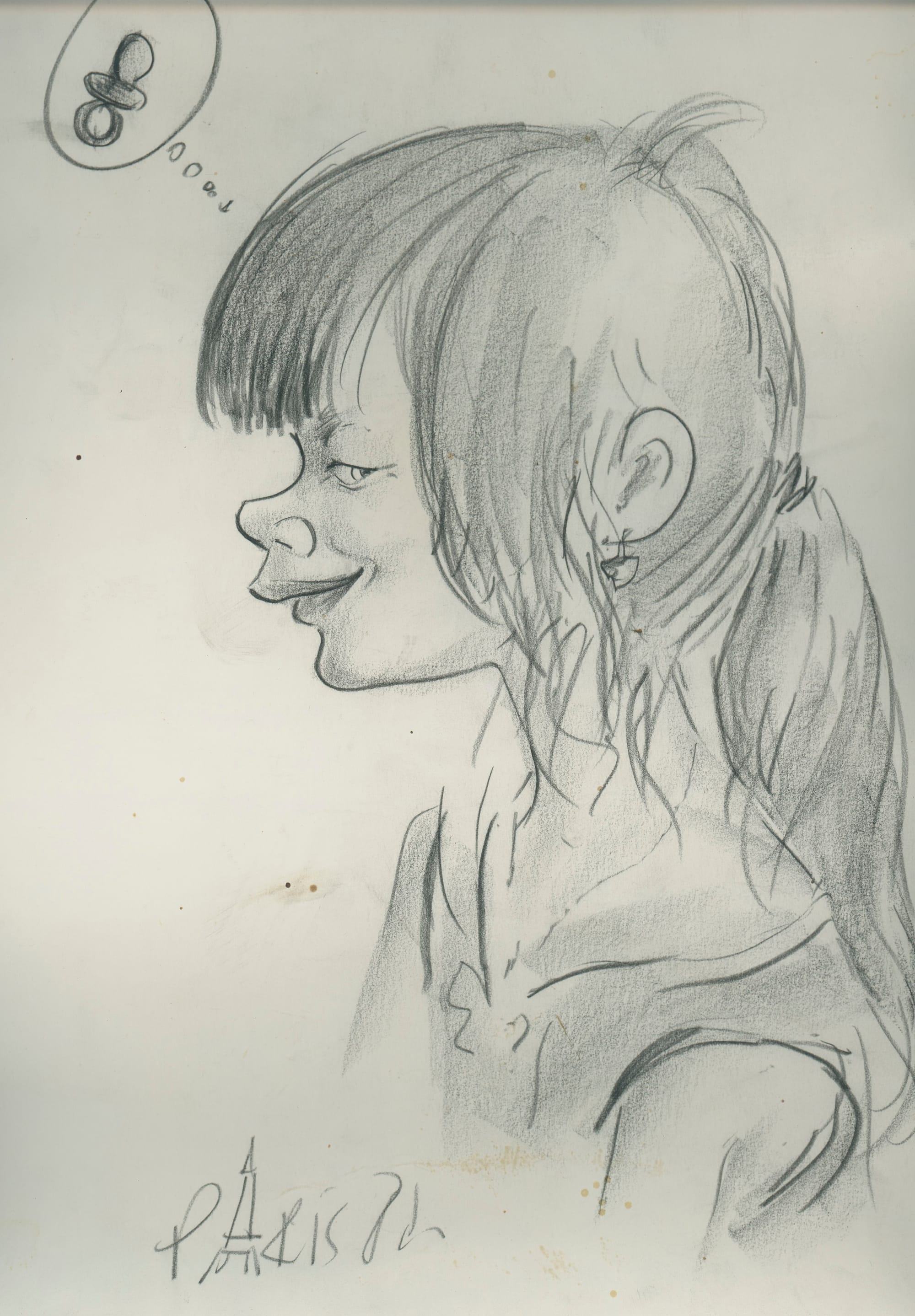
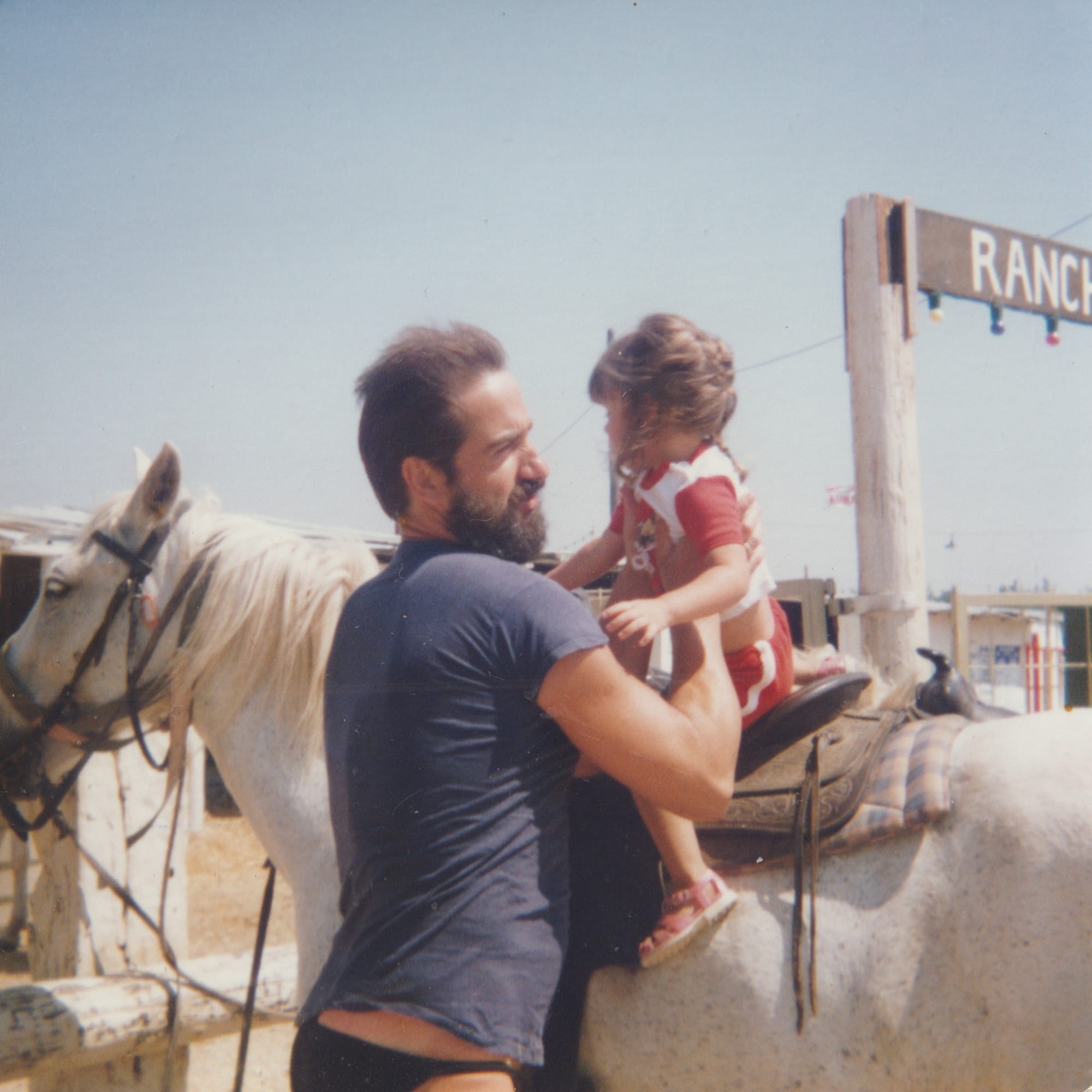
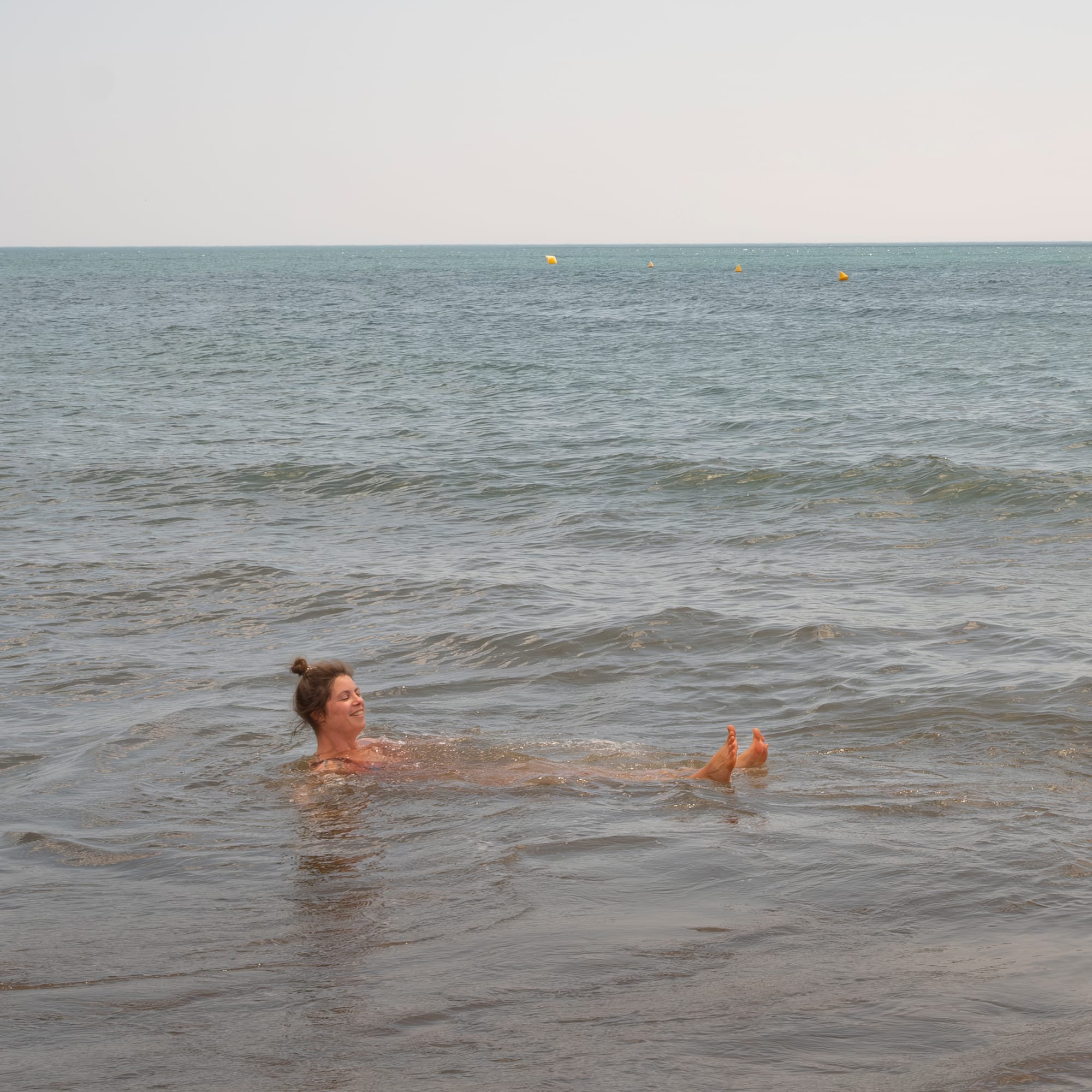
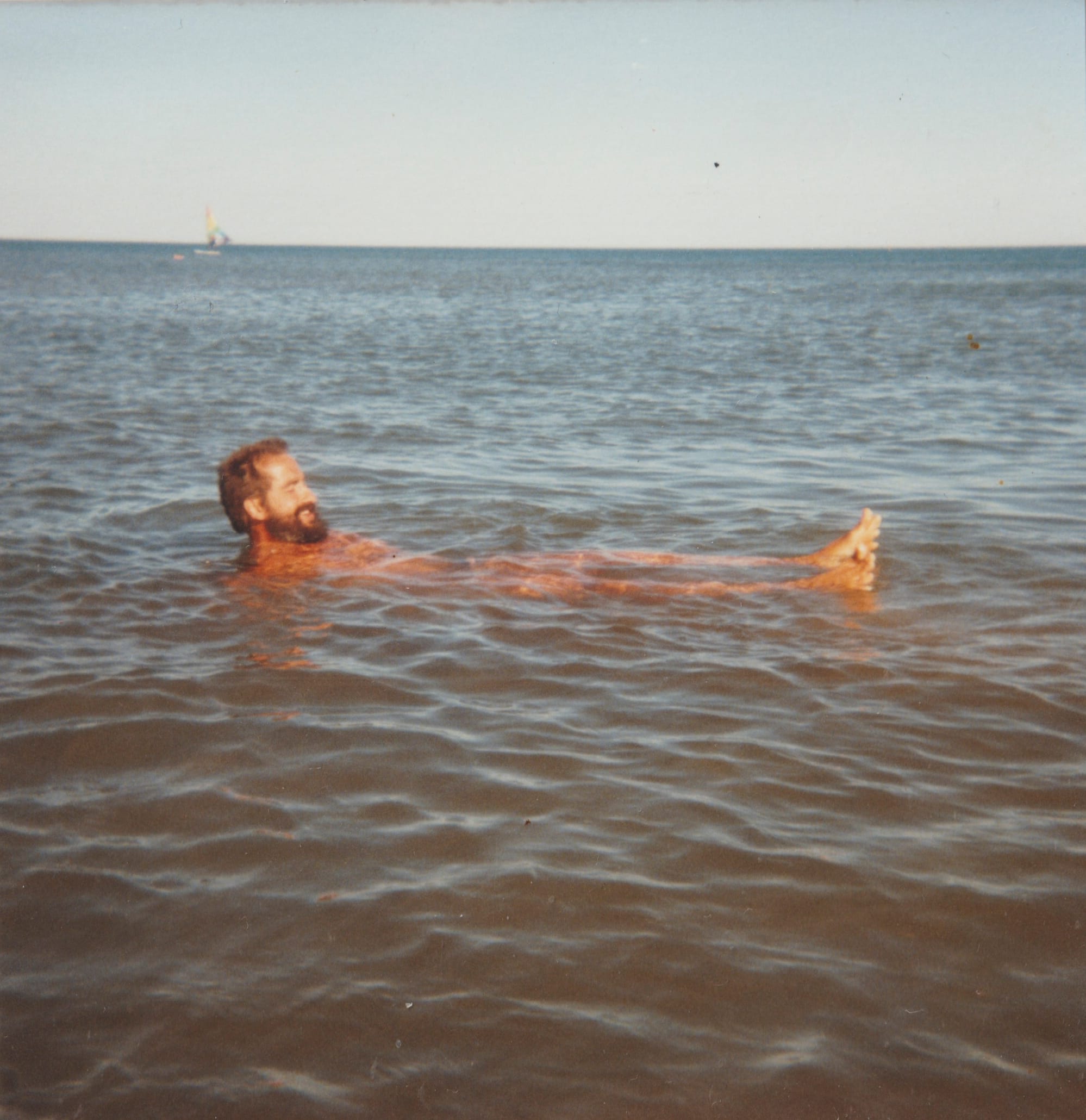
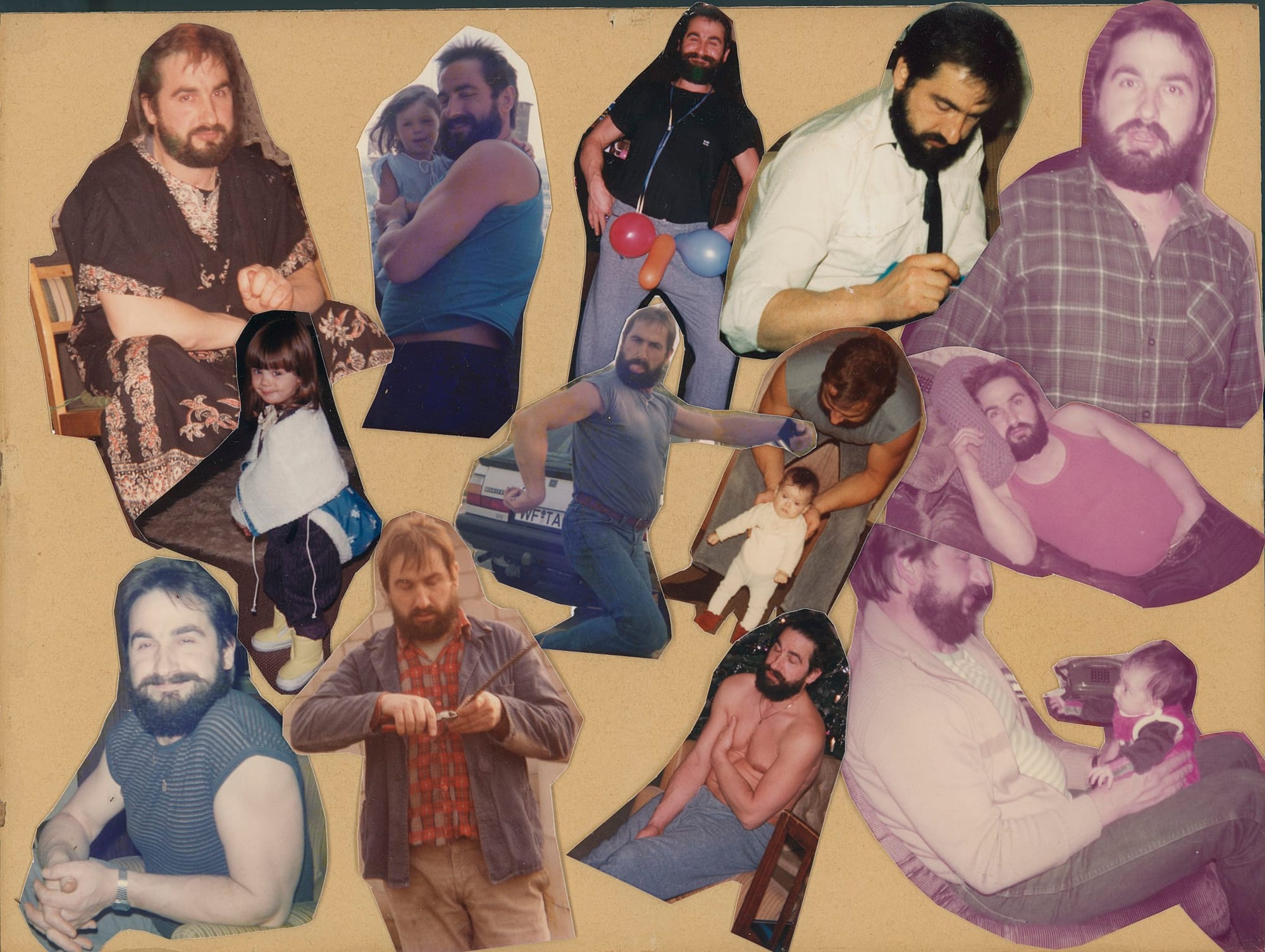
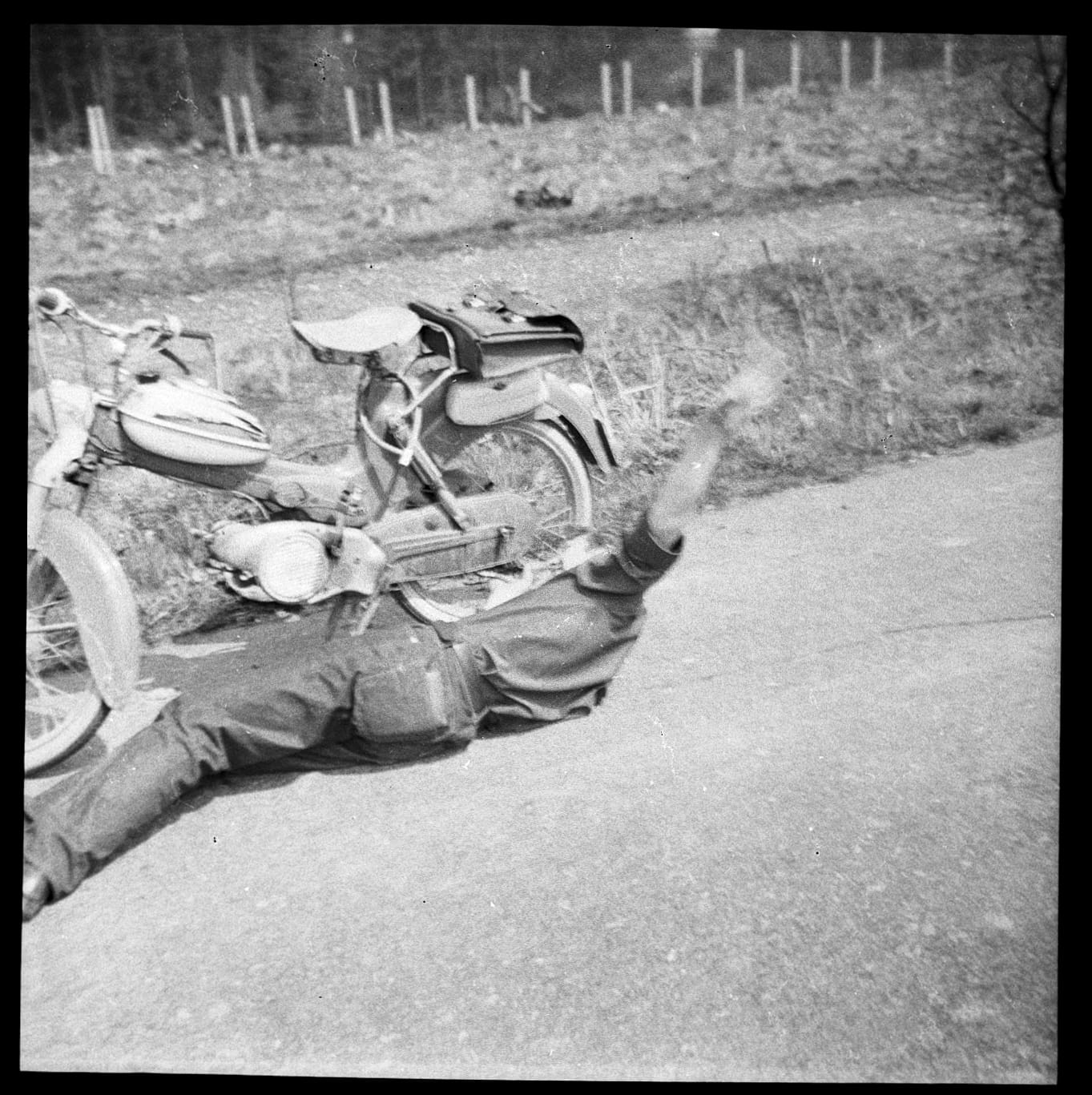
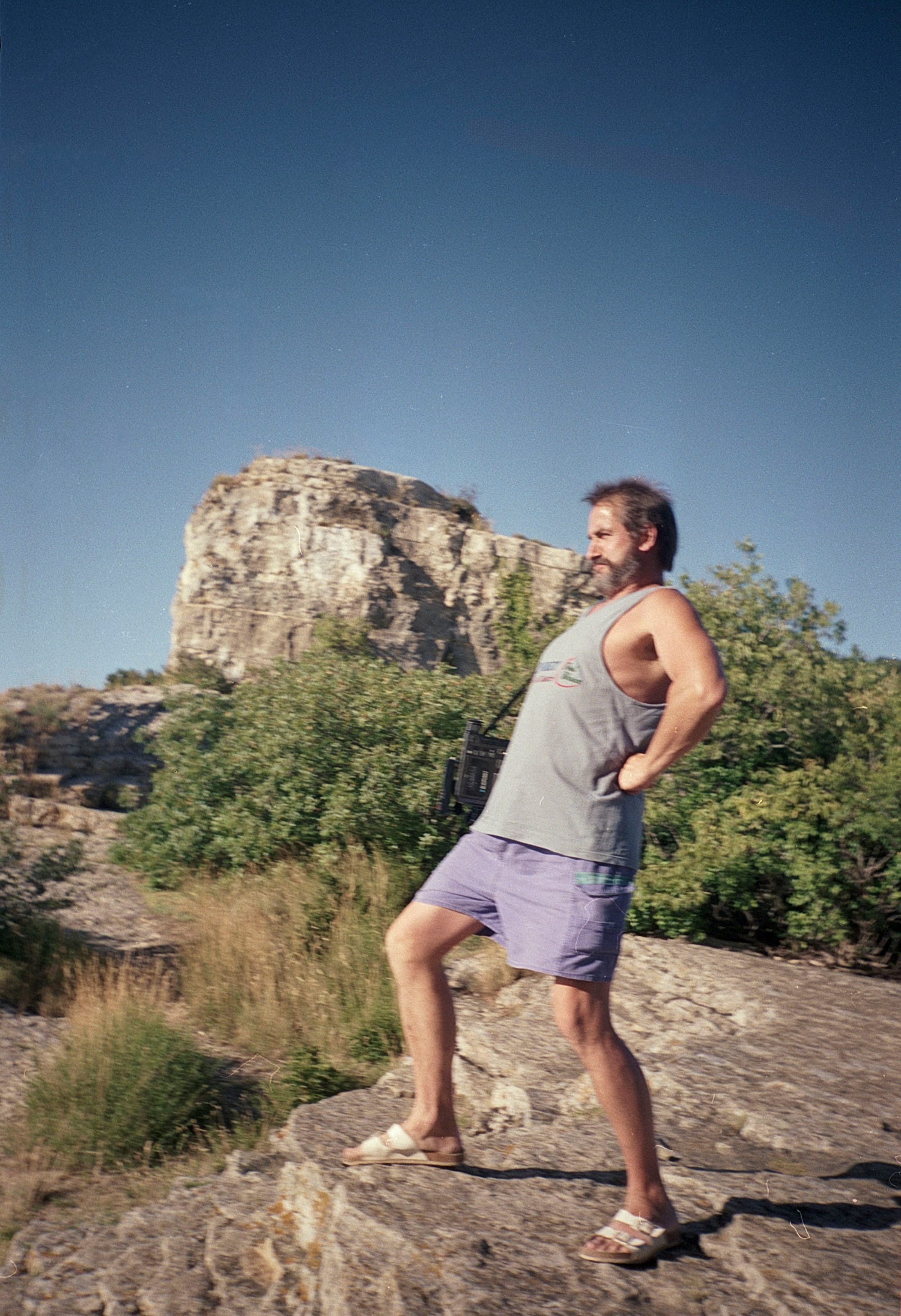
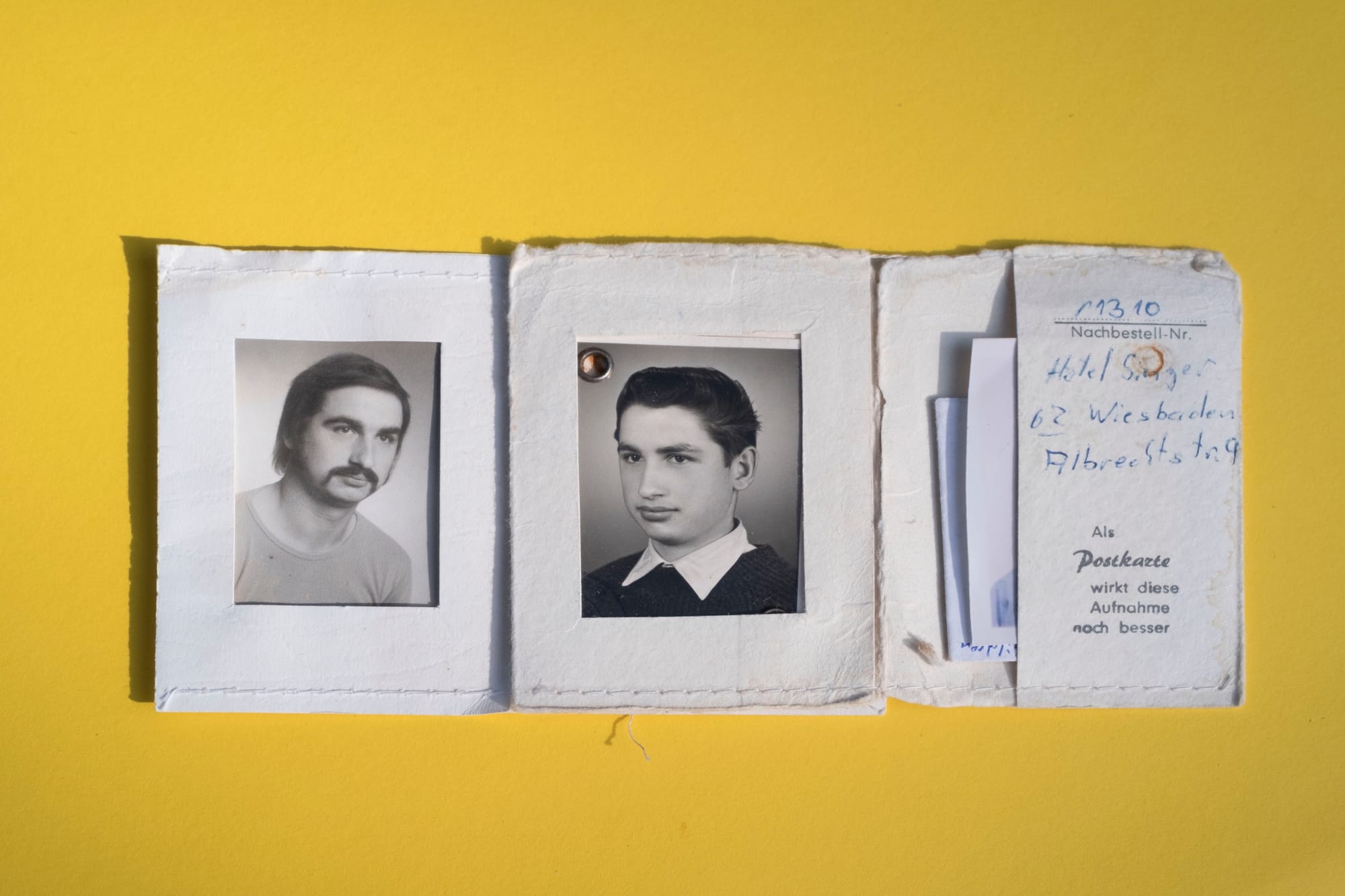
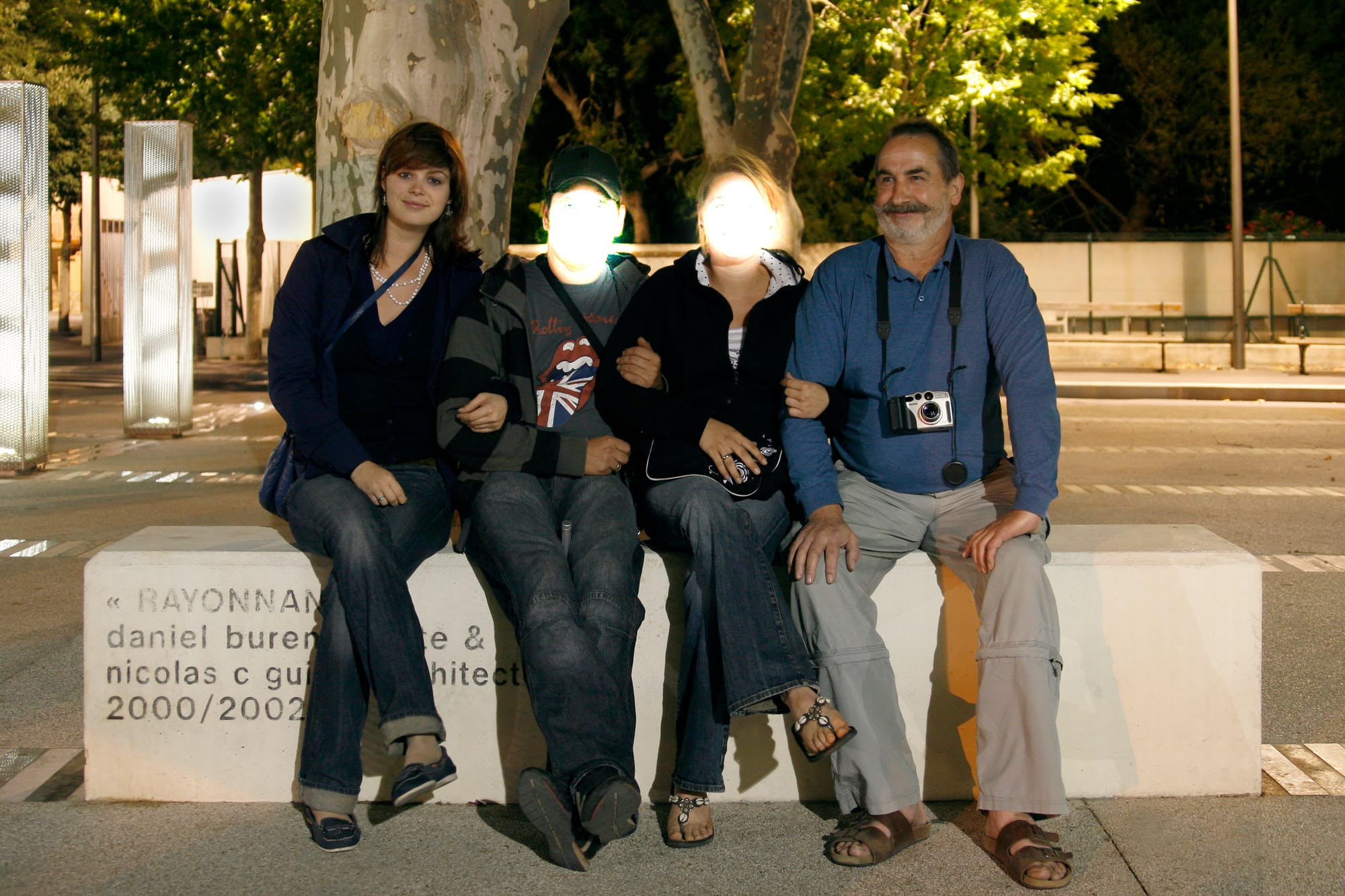
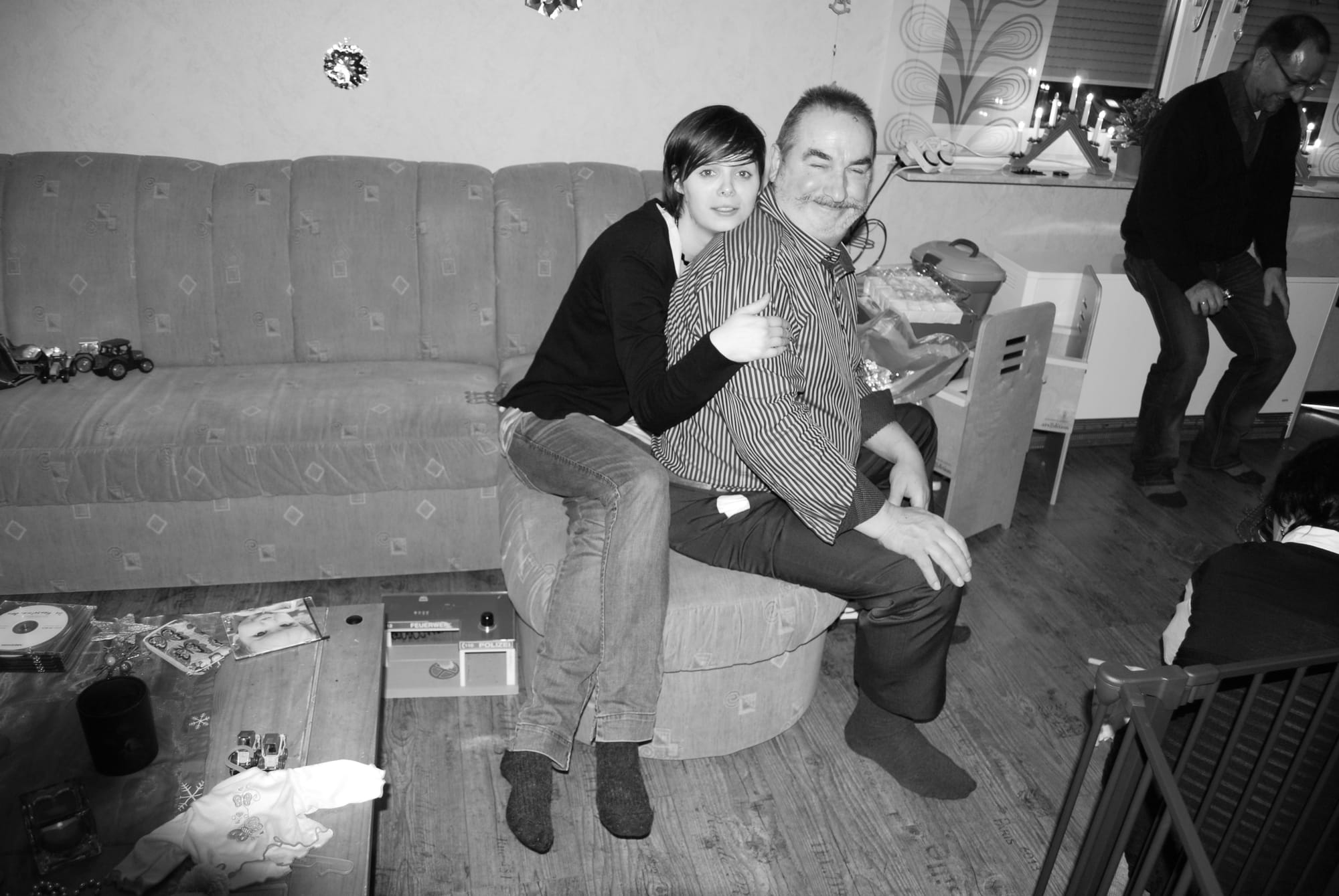
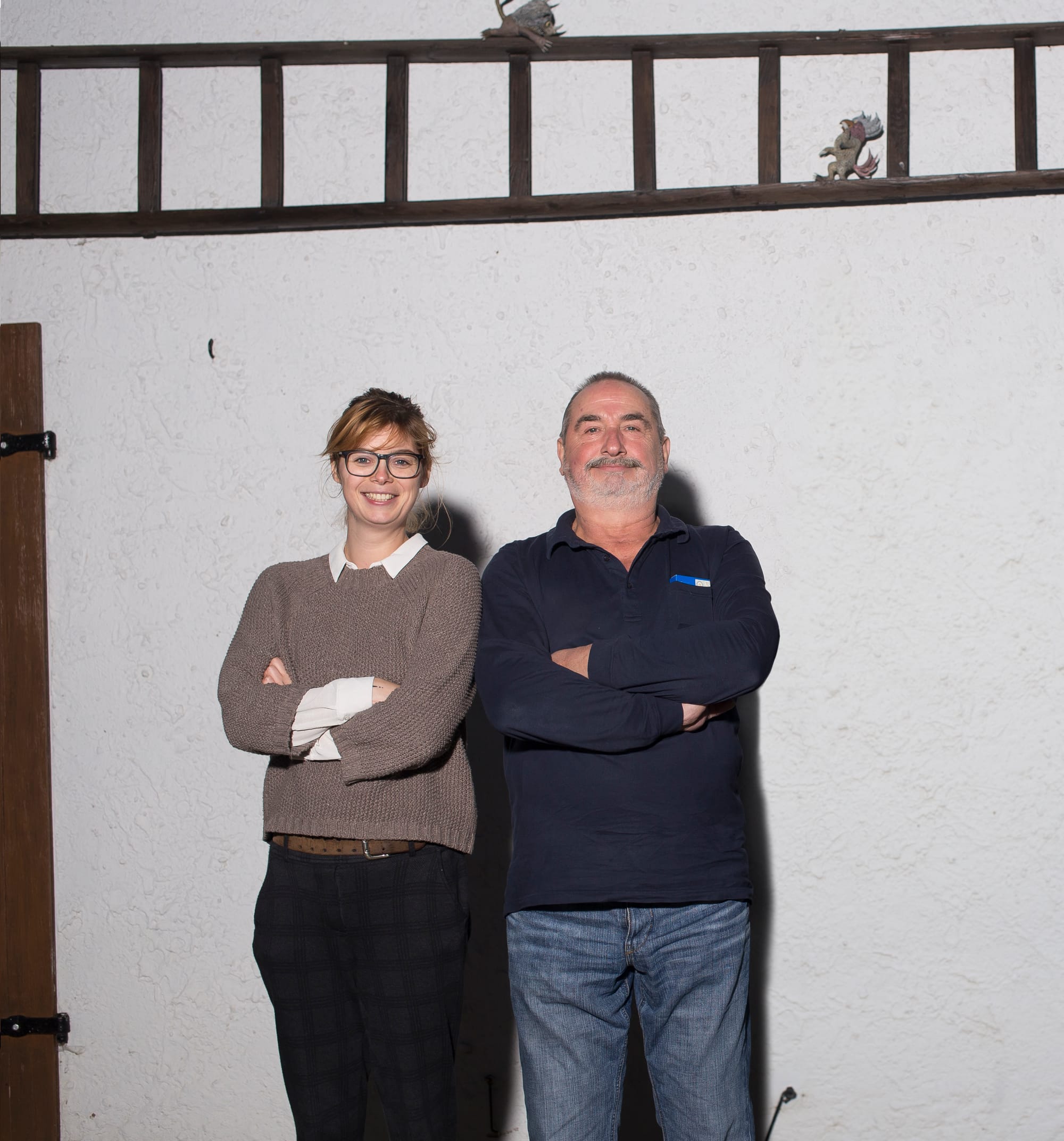
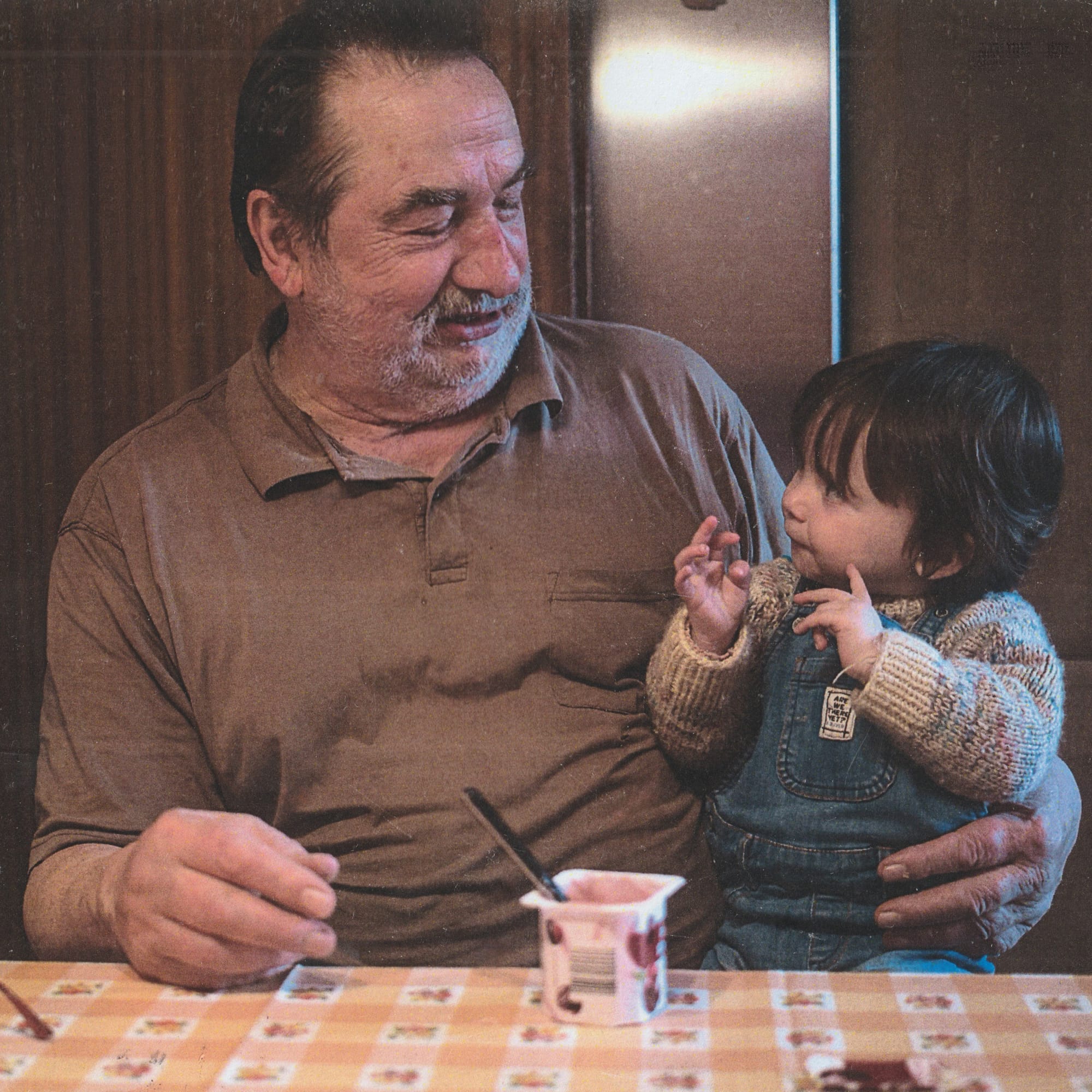
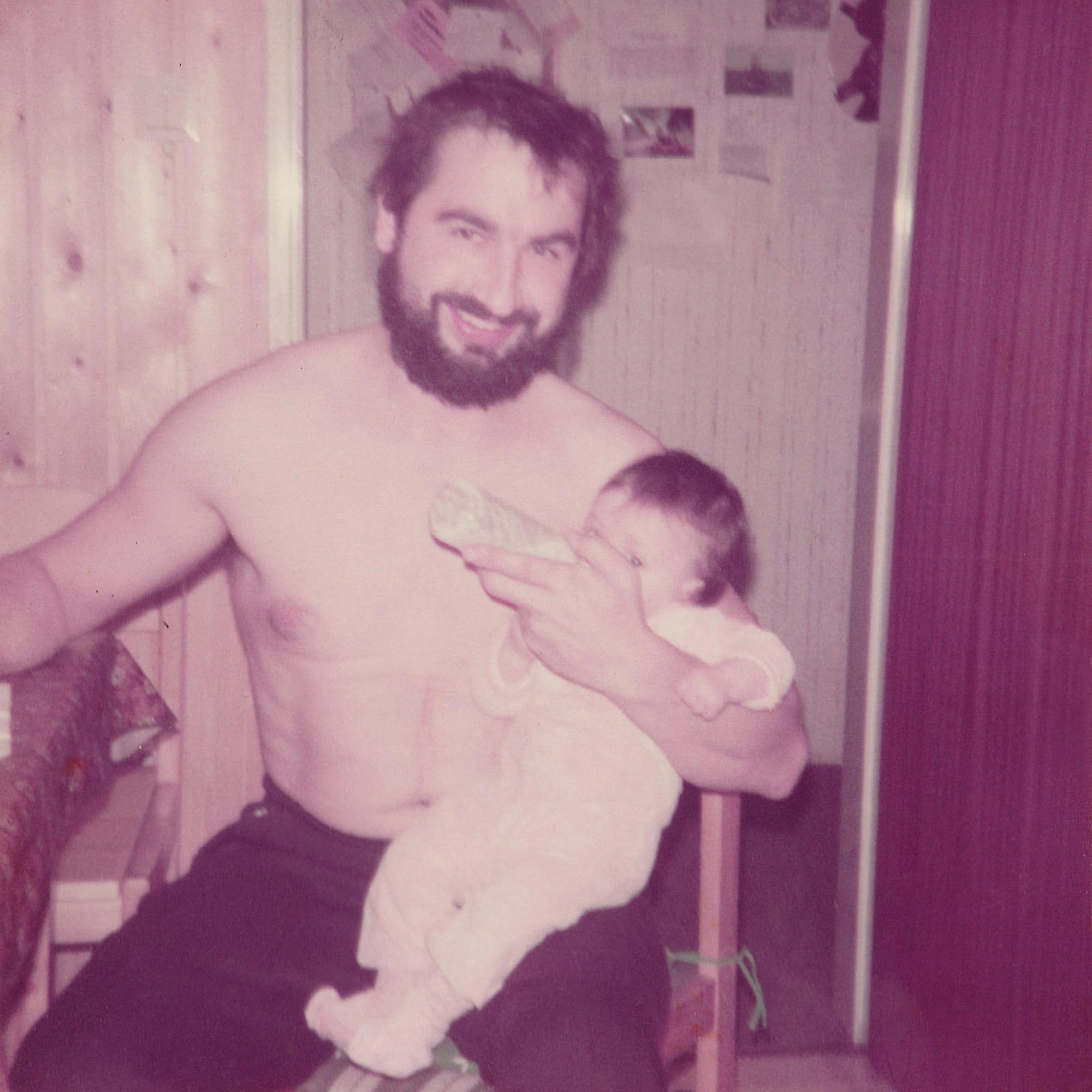
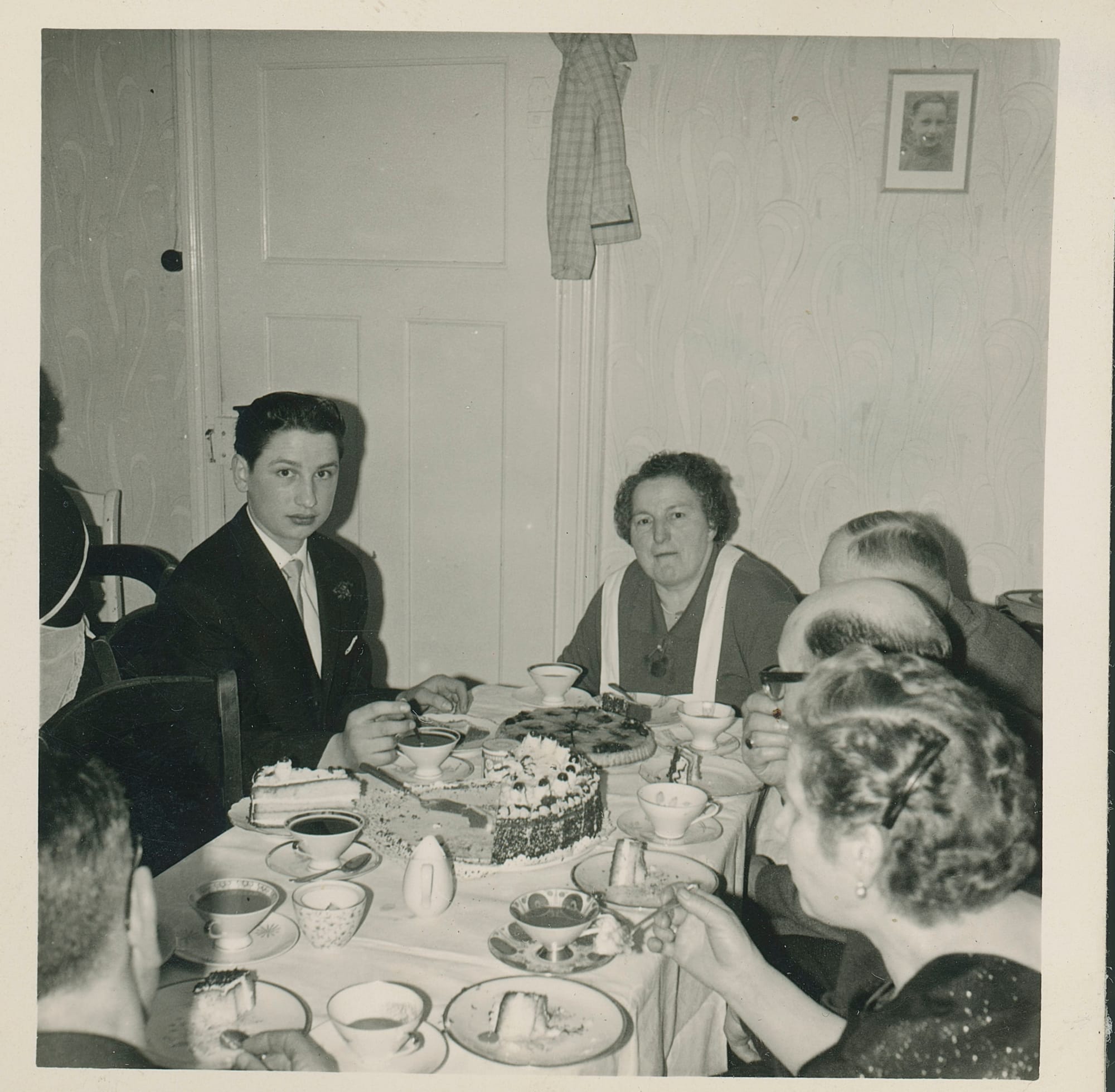
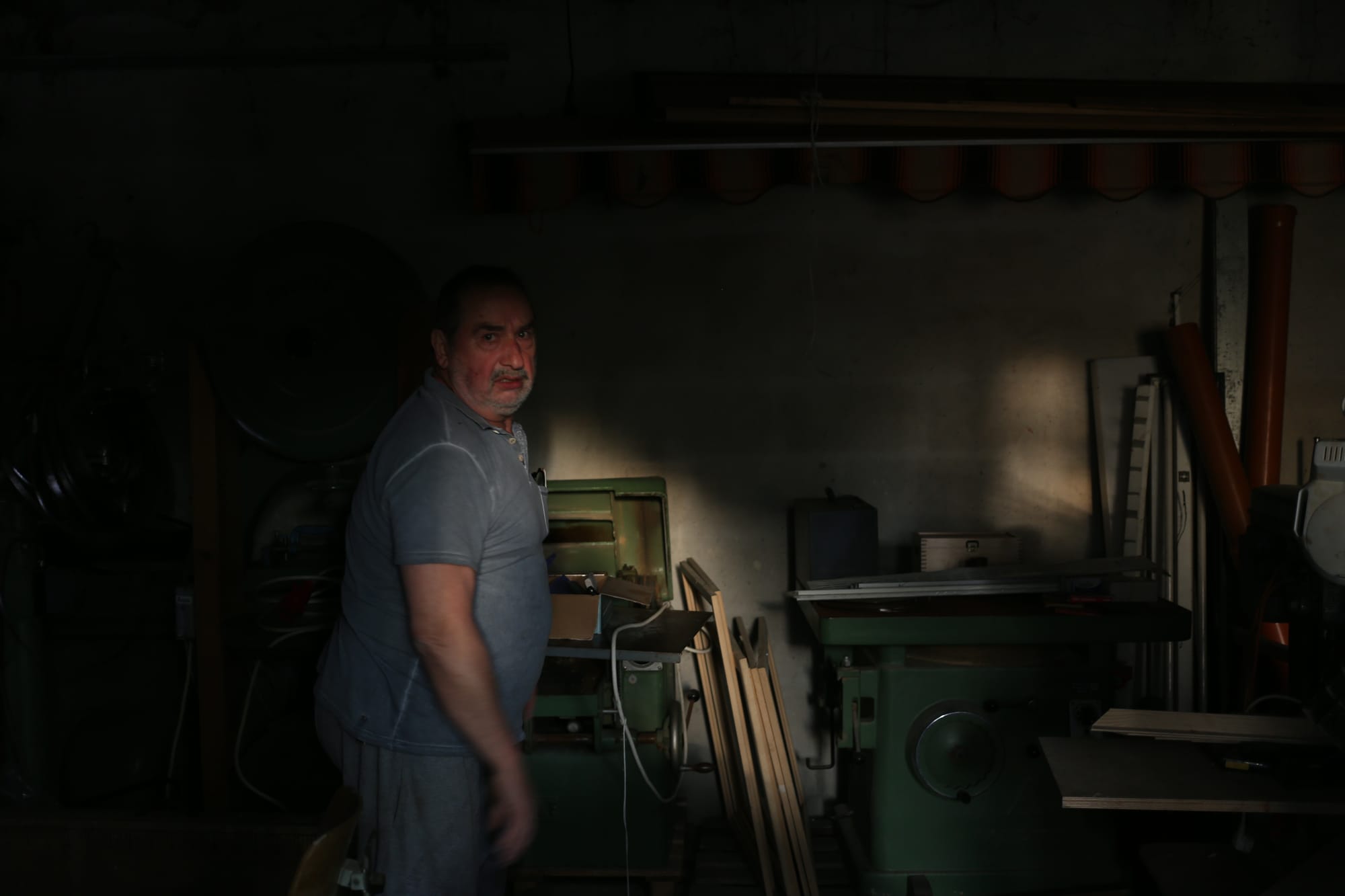
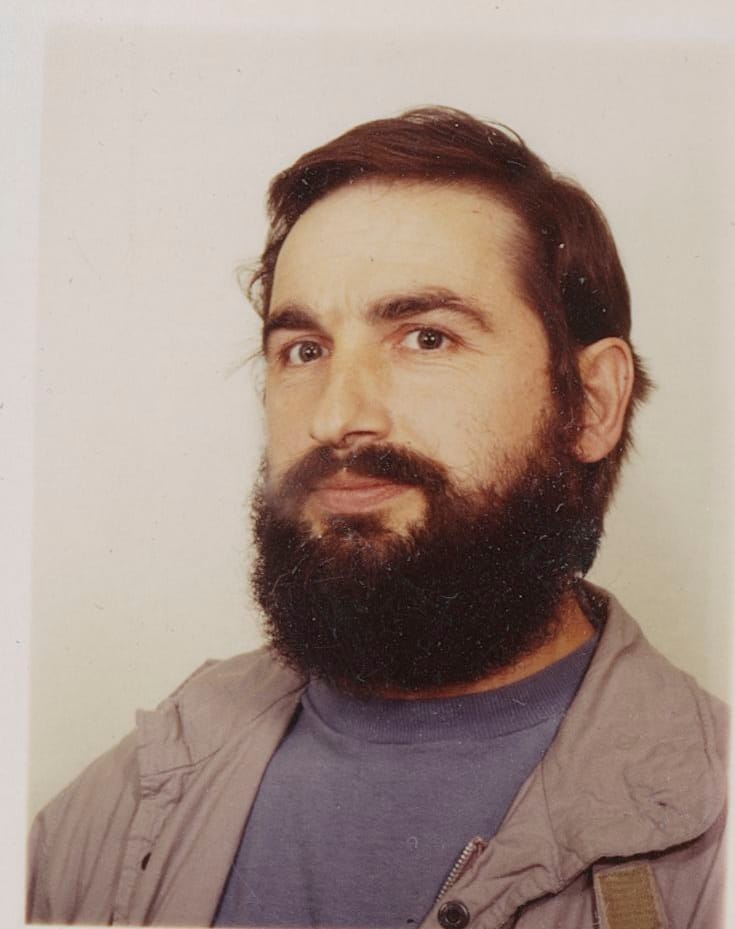
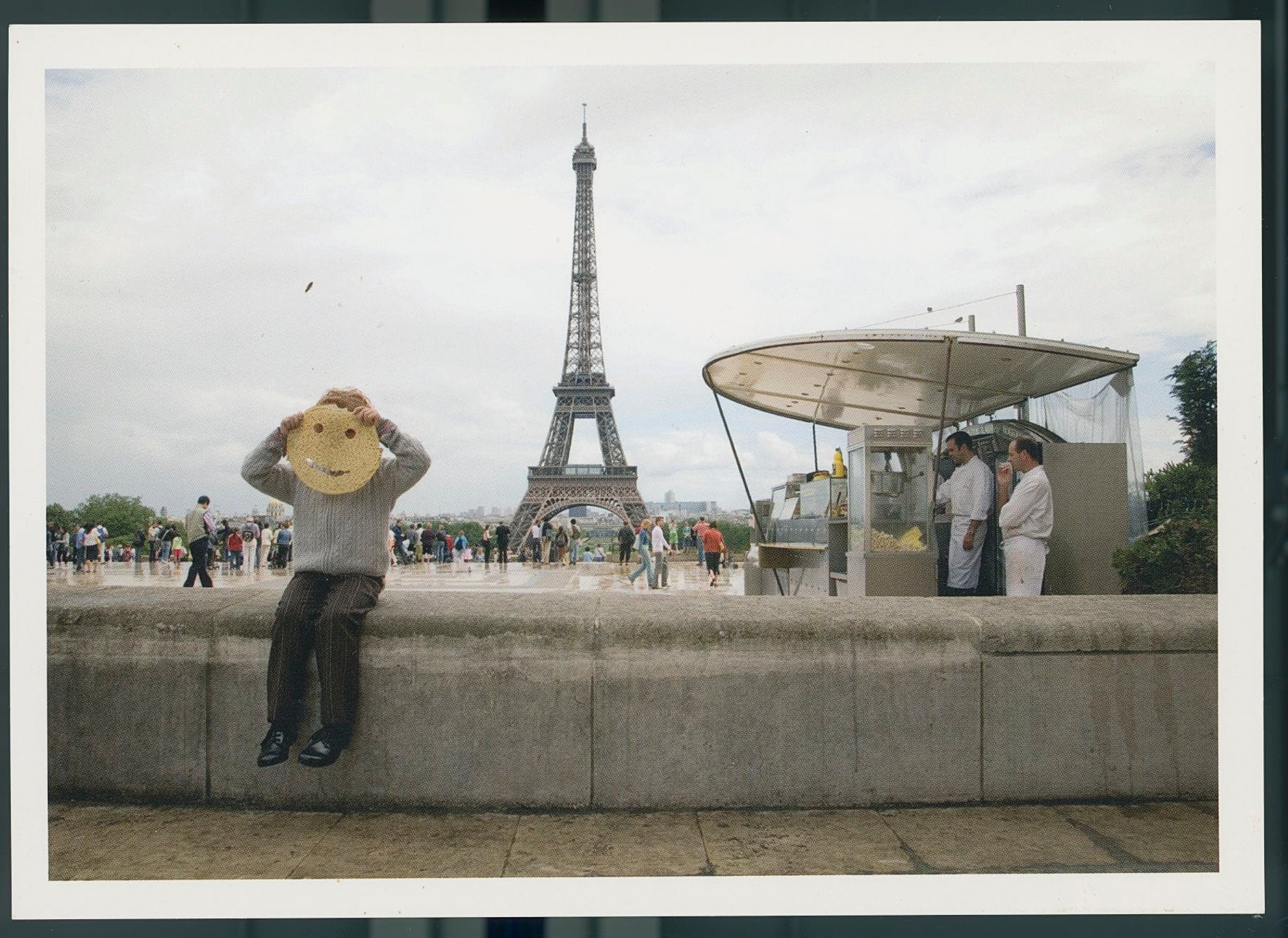
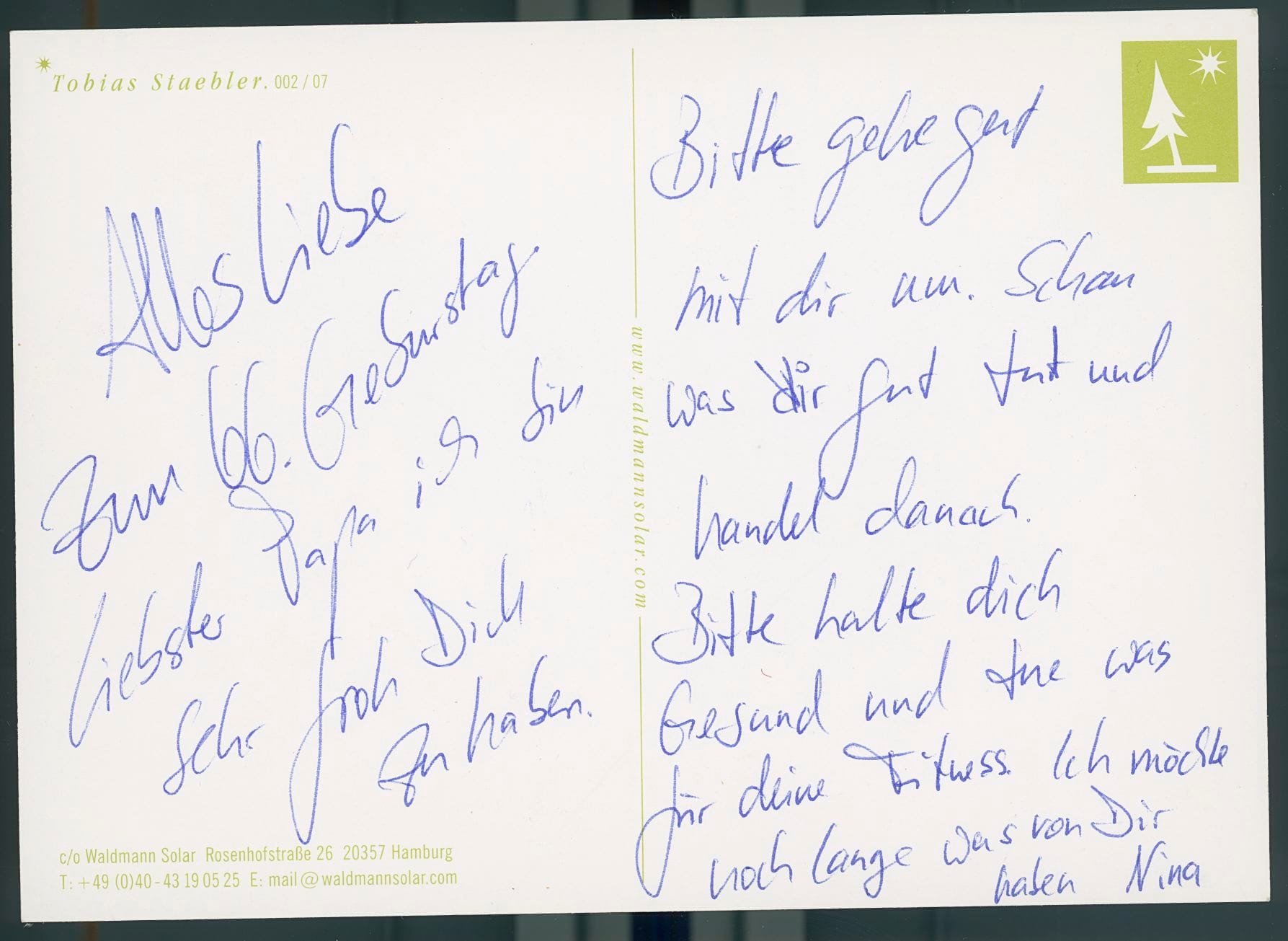
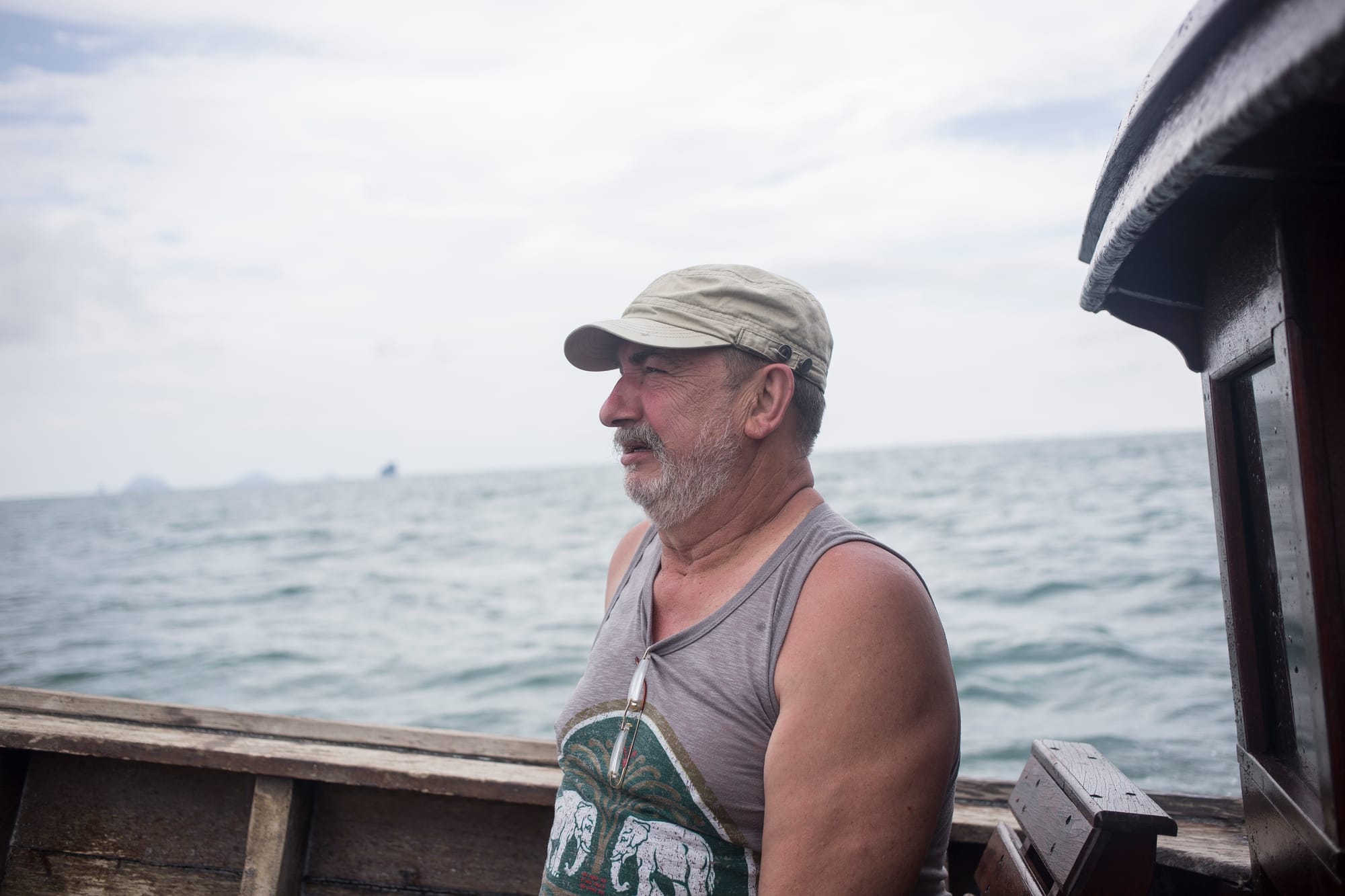
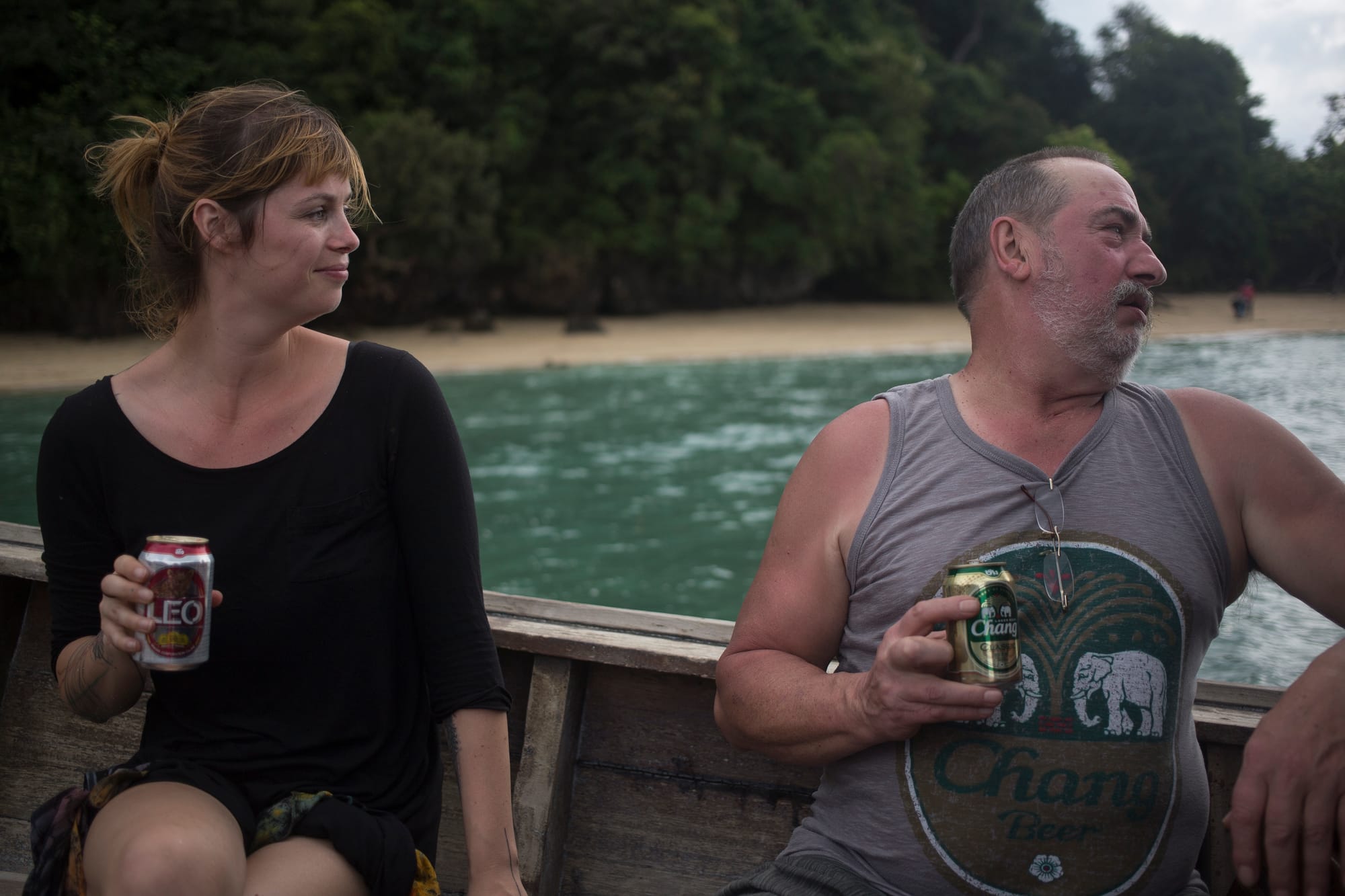
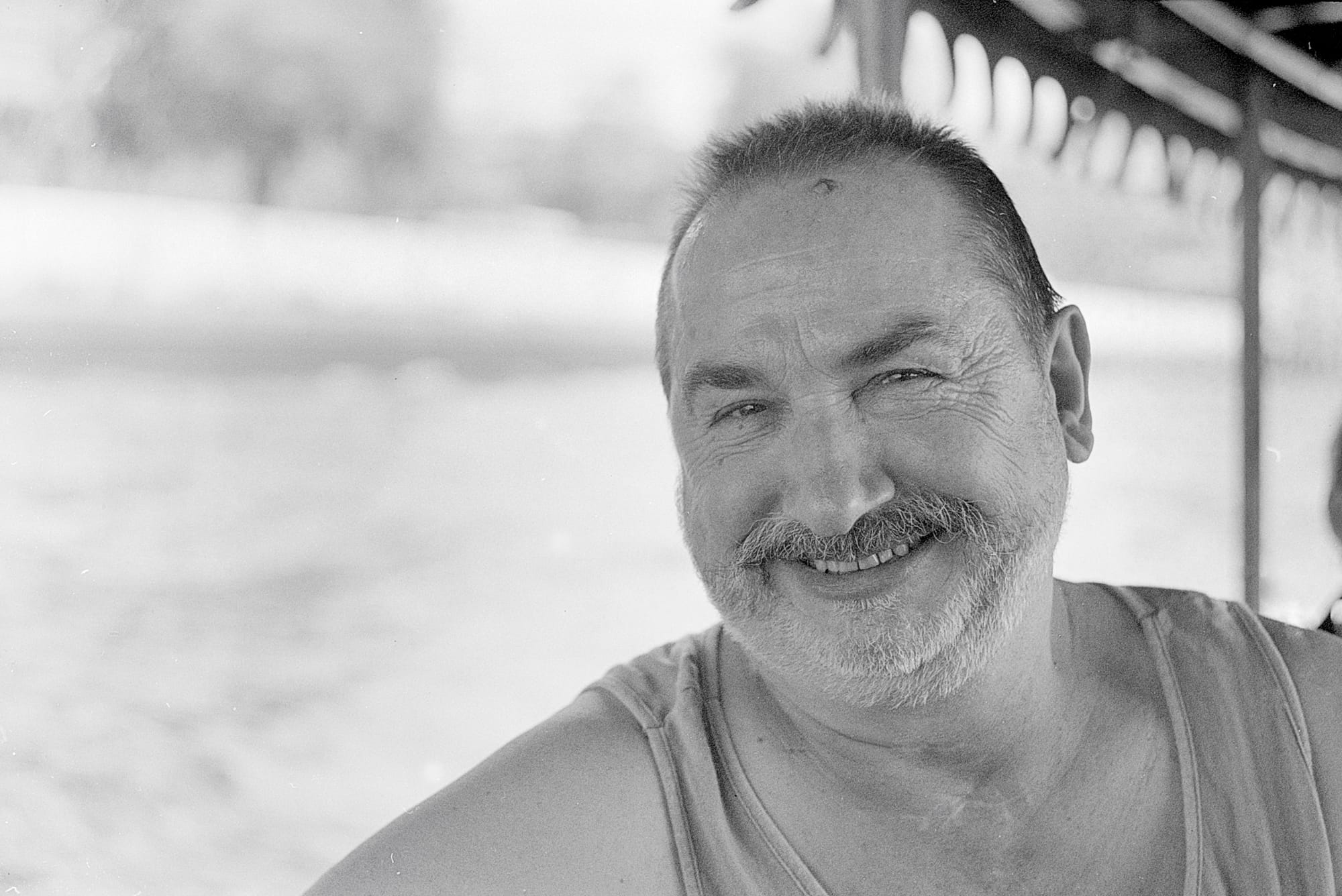
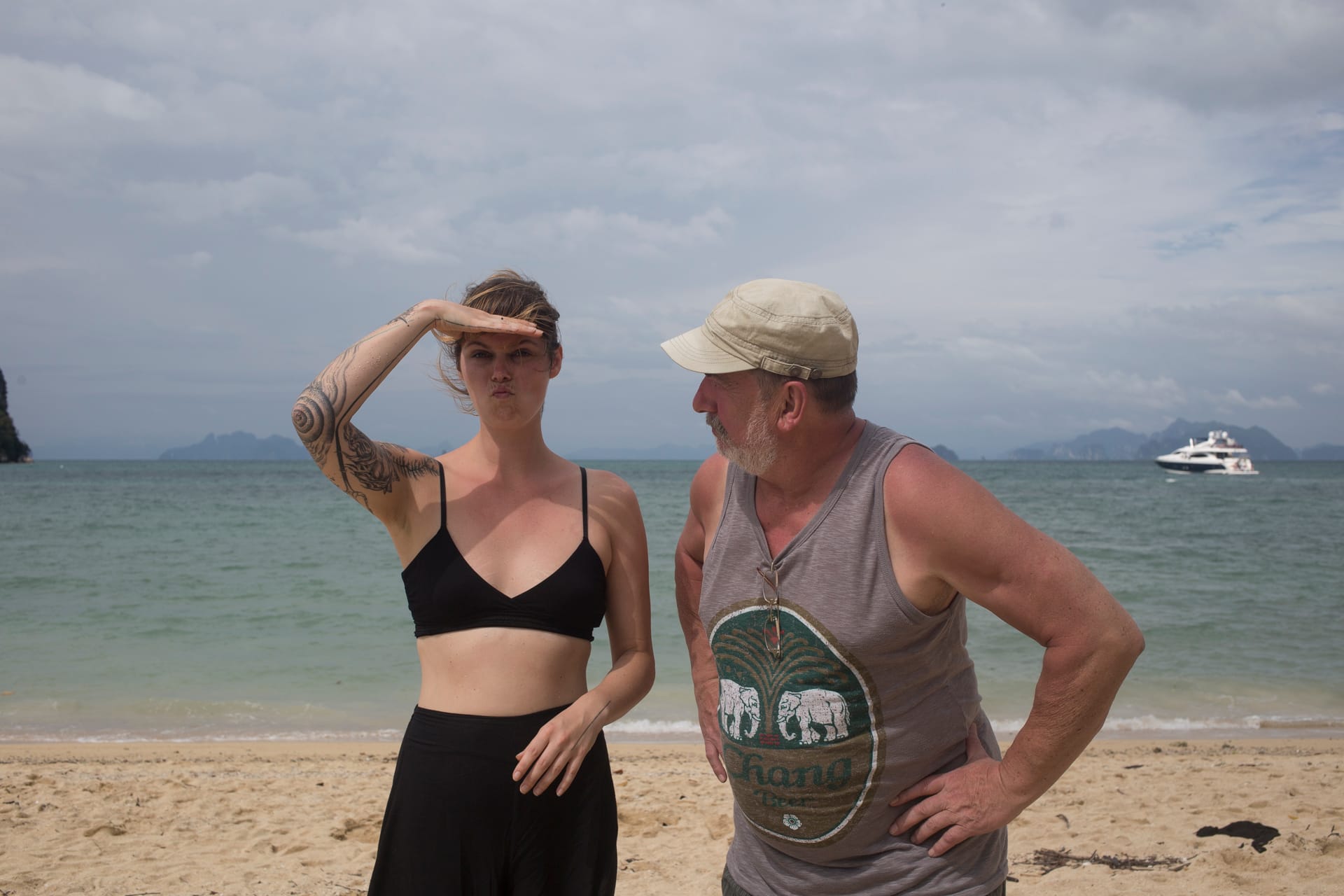
Ihre Herangehensweise ist vielschichtig. Der Liebe spiegelt sich in der innigen Verbindung zwischen Vater und Tochter wider, fast wie eine Symbiose ähnlicher Gesten und Mimik, die sich durch die Generationen zieht.
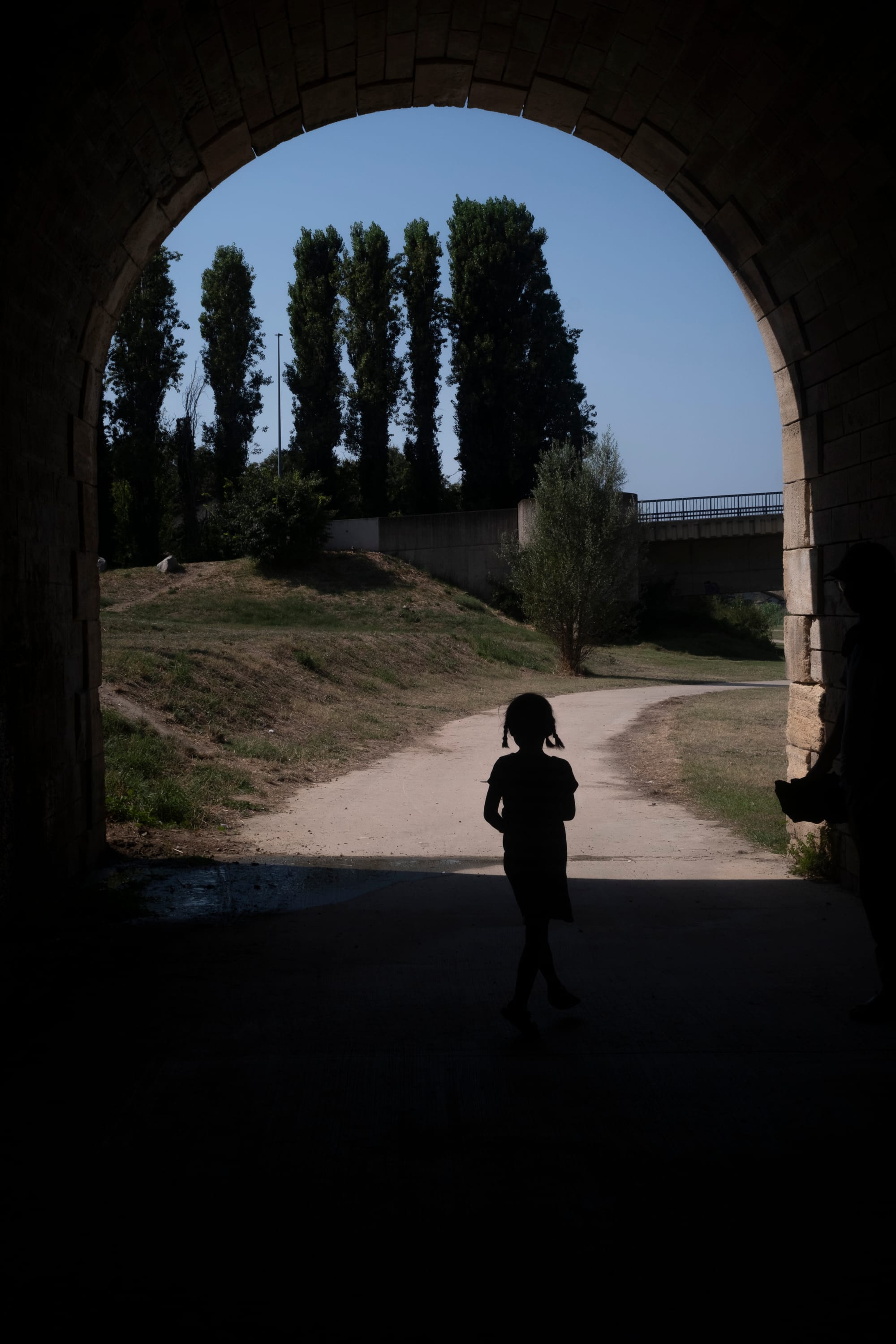
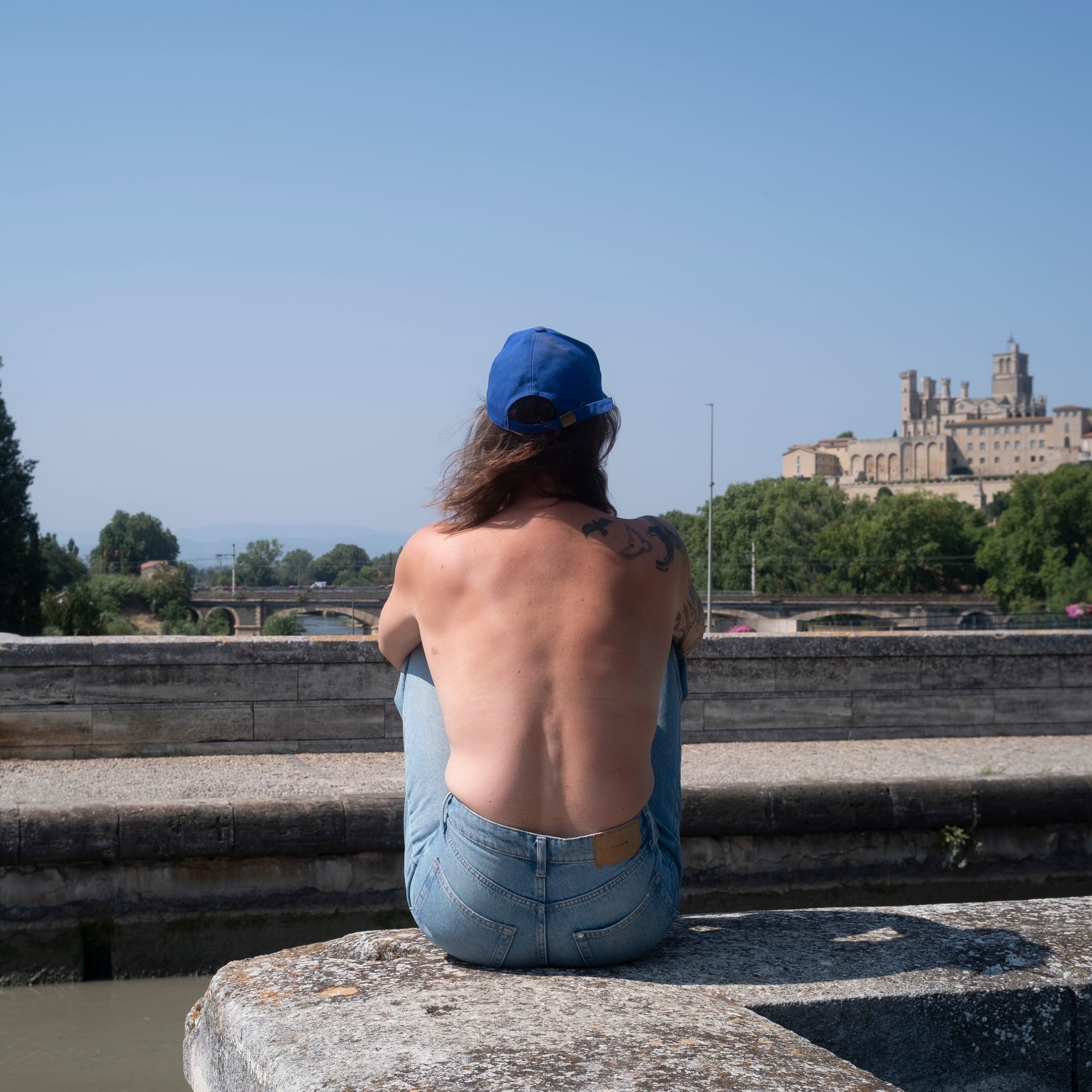
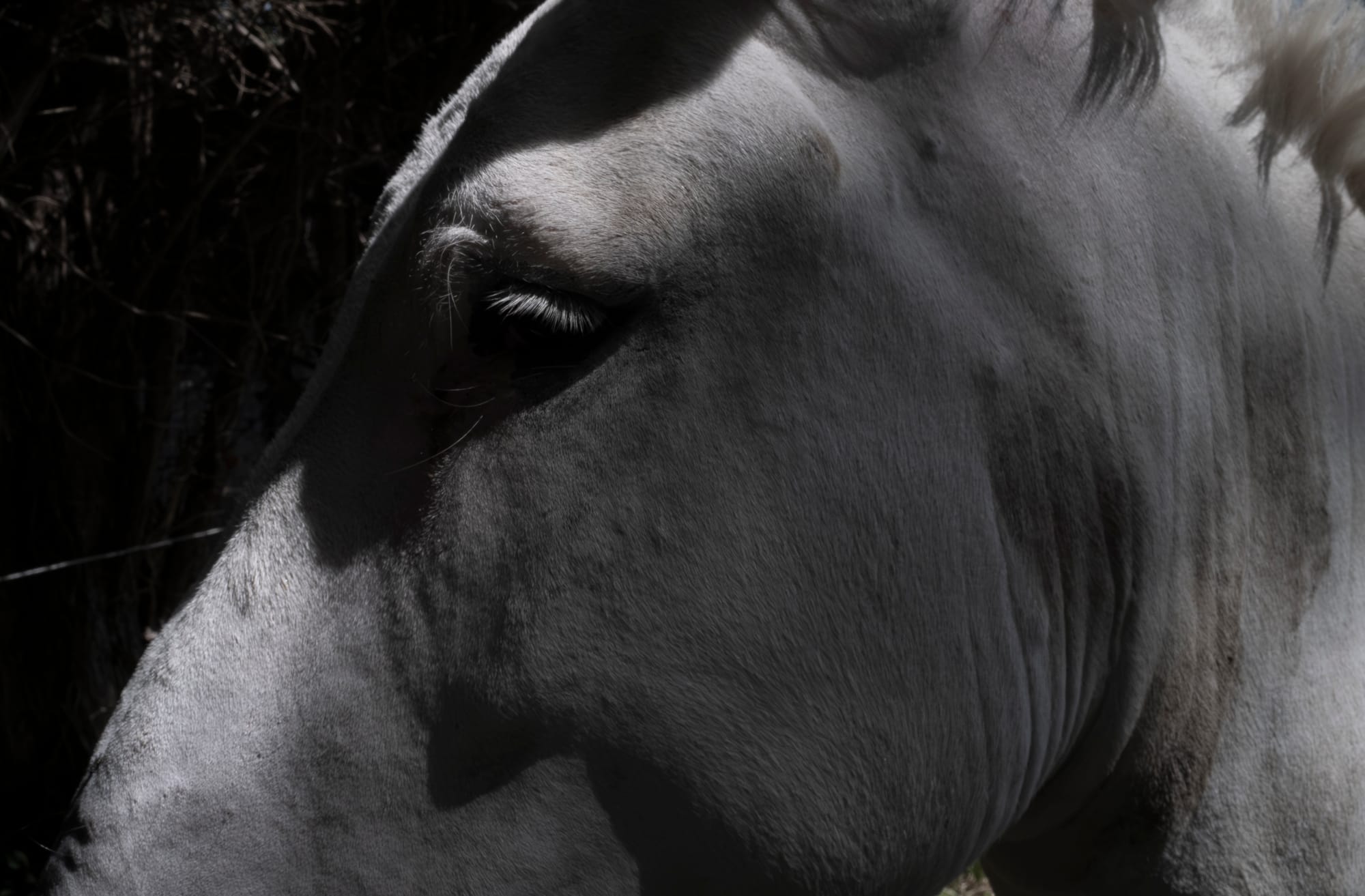
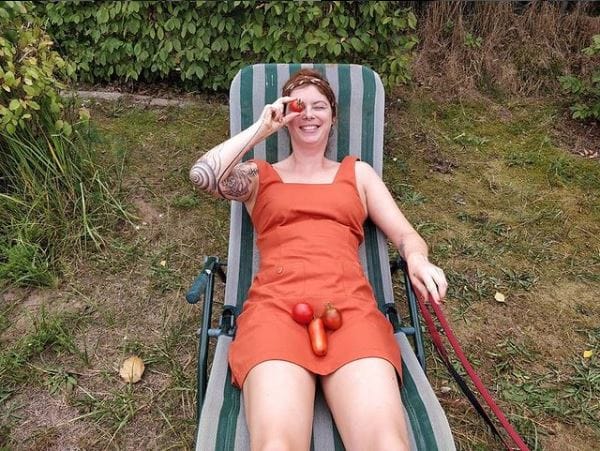
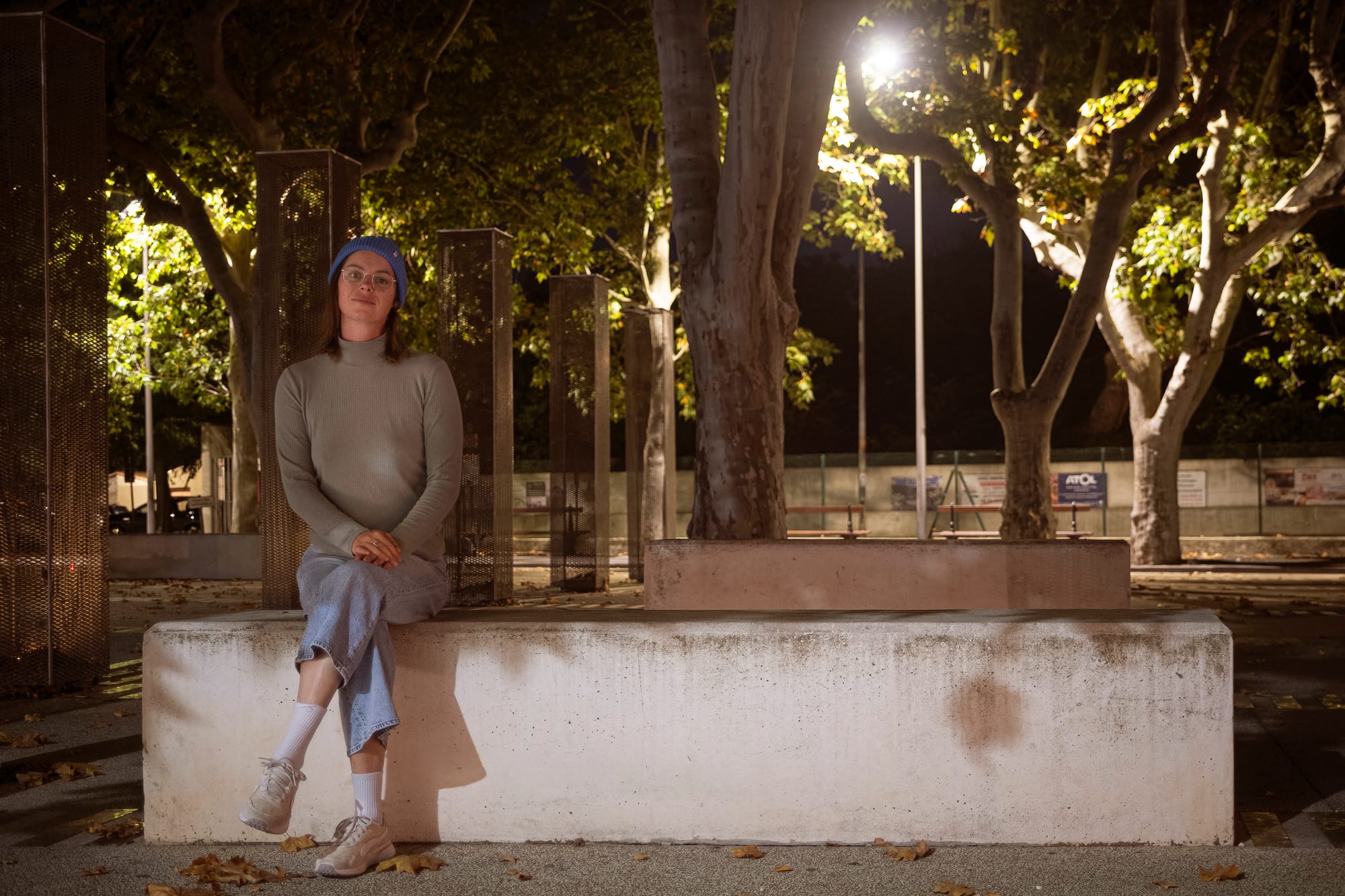
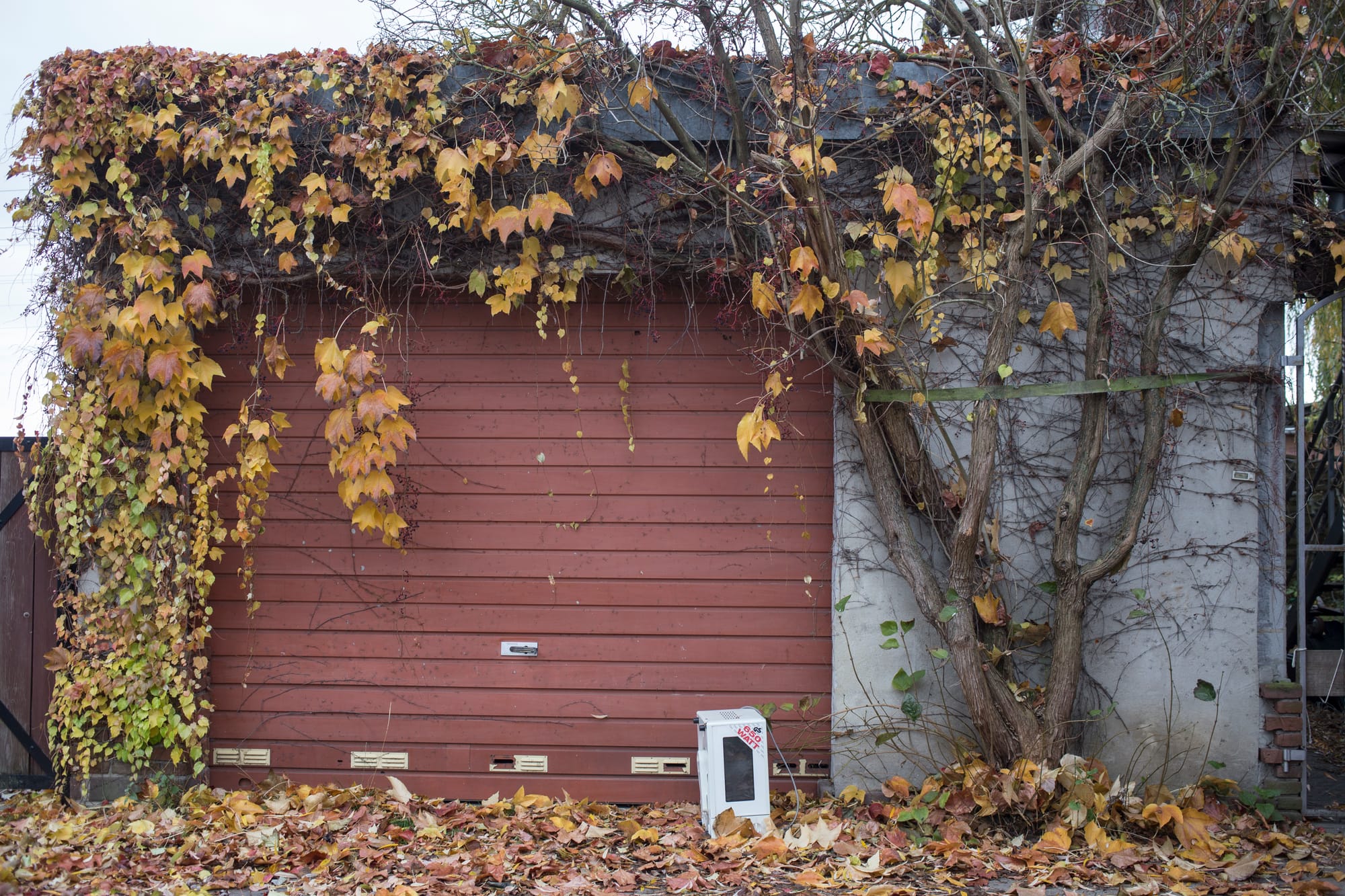
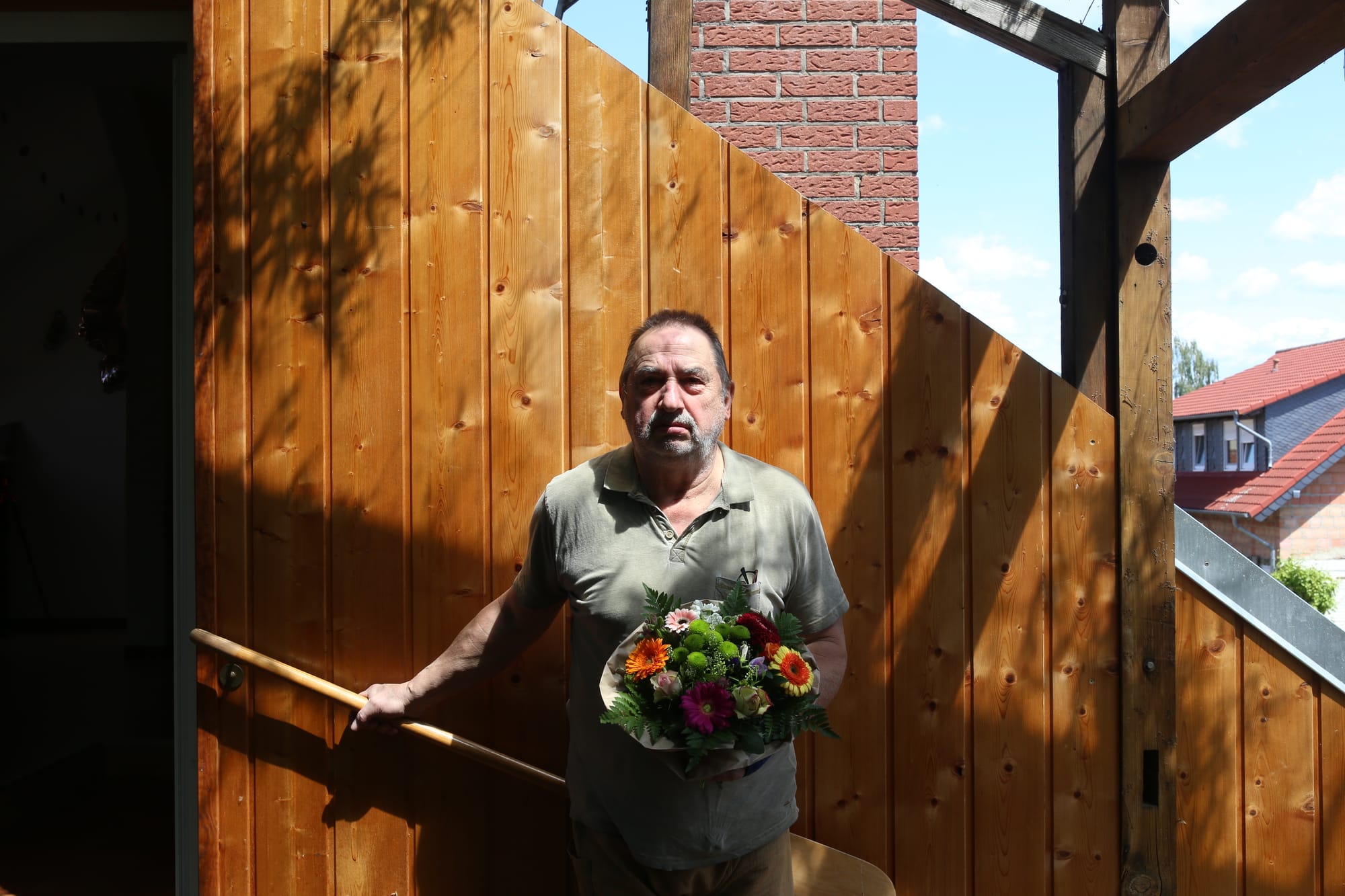
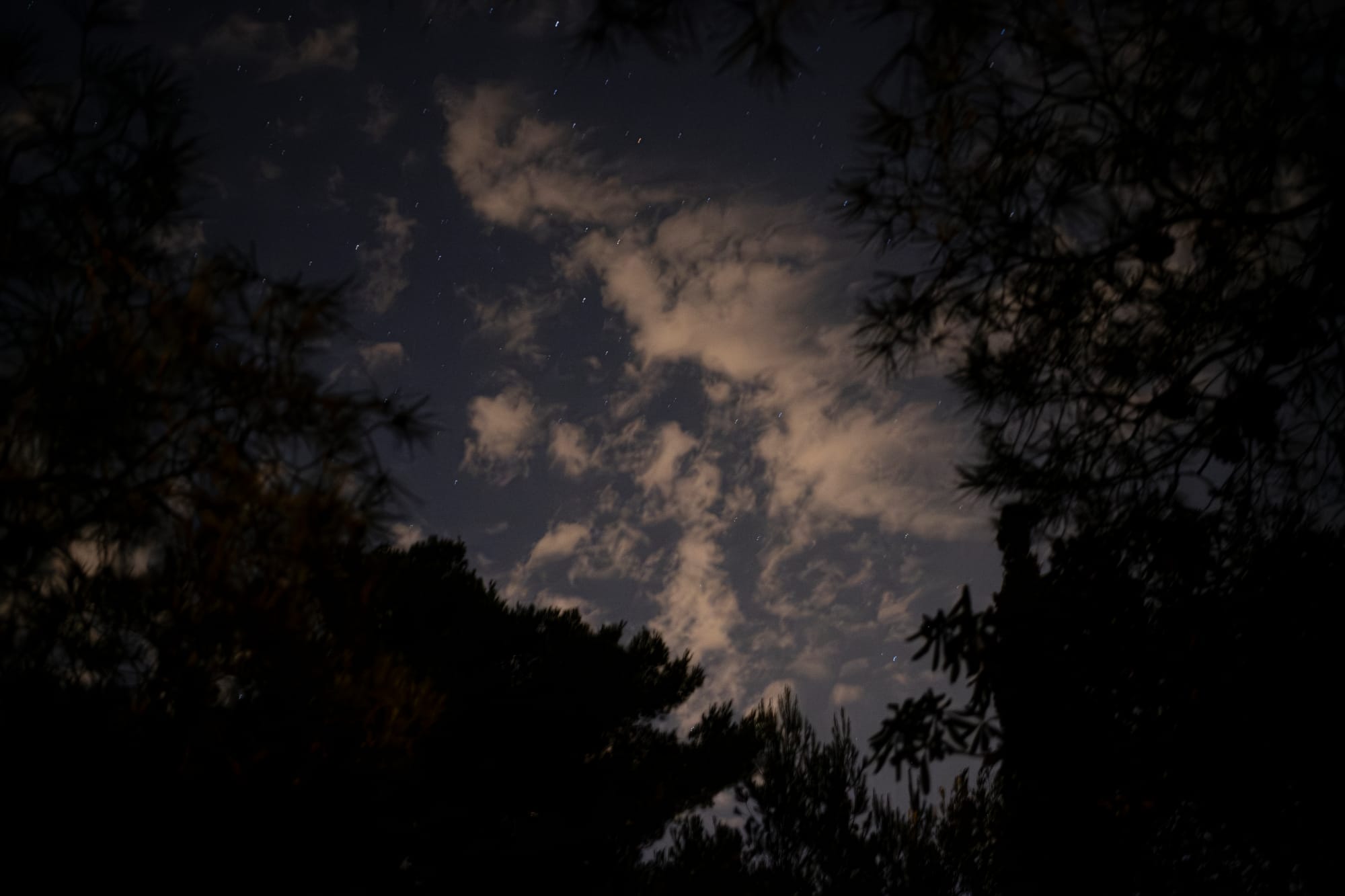
Selbstporträts inspiriert von kalten Modefotografien, hängen selbstverständlich neben den Familienportraits. Die Wirkung innerer Kälte und Sinnlosigkeit im trauernden Alltag wird sichtbar.
Die Künstlerin, bekannt für ihre humanistische Fotografie, zeichnet sich durch die Nähe zu den porträtierten Personen aus. In Vaterliebe geht sie nah an sich selbst und an ihr eigenes Fundament.
Die Arbeit lädt dazu ein, eigene Wege im Umgang mit Trauer zu finden. Darüber zu sprechen oder seine Trauer in der Ausstellungsräumen zu lassen.
Fatherly Love
This is the artist’s first autobiographical work.
Following the death of her father, she confronts this loss. Themes emerge: their strong bond, their mutual unconditional love, the profound grief that followed, and everything that still has to be let go of in order to survive.
Her approach is multifaceted. Love is reflected in the intimate connection between father and daughter, almost like a symbiosis of similar gestures and facial expressions that continues across generations.
Self-portraits inspired by cold fashion photography hang naturally alongside family portraits. They reveal the inner coldness and sense of meaninglessness that become part of everyday life in grief.
The artist, known for her humanistic photography and the closeness she establishes with the people she portrays, turns that same closeness towards herself in Fatherly Love—towards her own foundation.
The work invites viewers to find their own ways of dealing with grief: to speak about it, or simply to leave some of their grief behind in the exhibition space.
Death
Death comes to visit us. It stops by anything. Slowly, suddenly, or with a warning.
Come in, stay away, or just fuck off. These are normal reactions.
Can you say goodbye or no? If death gives you time, you can prepare for it. Or maybe you can’t, because death came suddenly. What does it even mean to prepare for death? For me, perhaps it would only mean that the first great shock doesn’t hit you. That you still have time to make decisions or make a travel plan and have last moments, togehter.
Death will visit every one of us. I want to walk with, with heart and mind. I want to grow with. Whether it comes suddenly or whether there is time to prepare.
Both hurt. There is pressure in your chest. Waking up suddenly, your heart racing. Oh yes, you really are gone now. Panic rises.
Who do you talk to about it? How long is grief allowed to stay with you? Death is barely visible in our society. An obituary. A coffin. A cemetery. Hidden underground and gone.
The right words, a deep embrace, and support through grief are often missing. A community that holds you must not be missing—otherwise, you fall.
Because through the death of one person, the inner death of another begins.
Imagine an isolated island you loved visiting because it felt soft and warm. Nothing you could say was ever nonsense to it, and it never judged you. It always told you: Hey, you can do this, and I love you more than anything.
An isolated island that was good for you. One you could care for when it felt hopeless, trimming its palm branches and listening with all your heart when the lonely island had worries of its own.
And suddenly, it no longer exists.
No planes fly there anymore. No trains. No cars. Nothing.
Yin and Yang. Giving and receiving. But now there is no Yang anymore. The counterpart is missing.
I said, “Hi Dad, heyyyy, how are you?”
Nothing came back.
In biology, there is a word: symbiosis. Symbiosis provides mutual protection, transport, and the exchange of nutrients. It improves health and promotes survival.
That symbiosis is gone now.
Pop.
Just like that.
It was his appendix. You said you were okay. I believed you. No—I wanted to believe you. But that feeling remained: something isn’t right. My gut said no. Stop. Go there.
I lost my father because his appendicitis was diagnosed too late. Two emergency surgeries. In the end, he died of sepsis.
I have never told the story this briefly before.
Am I angry?
Yes. Fucking hell, yes.
I was 40 years old. My father was 75.
How do you survive that, as the one who is left behind?
The short answer: you don’t.
And somehow, you do.
Anger. So much anger.
Anger feels good, I always say.
And not just once or twice. Maybe once a week. No, I don’t always manage it either. Trial and error.
I text, I dance, I scream, I box, I destroy something, I build something, or I let someone lie on top of me.
I need to feel myself.
Whatever lets the anger out, I need to do it.
I stuck a Post-it note to my screen:
Hello anger, you’re welcome to come and visit me.
After the anger comes the release of tension, and then grief is allowed to come.
The tears are allowed to be there.
Someone once asked me whether I had received a beautiful sympathy card. I said no. I understood the intention behind the cards. One of them touched me a little.
There is no etiquette guide for the right words in grief yet.
There are standard phrases, things people simply say:
“I’m sorry.” “We’re thinking of him.” “How are you?” “Here are 100 euros.”
That is good. And it has its place.
Someone asked me what words on a card would actually have helped me.
I would have liked to open a card and find three words inside:
THIS IS SHIT! THIS IS SHIT! THIS IS SHIT! FUCKING SHIT!
The look on my friend Anni’s face was horrified—and then we both had to laugh.
So humor helps, too.
Anni said, “You can’t write that.”
I thought you could.
It would have said exactly what I felt. And it still does.
That moment still helps me today.
Saying it out loud.
Saying what you need—no matter how unconventional it is, no matter how often you need to say it, no matter what it is.
There are other things I still do. Things I consciously do, and things I consciously avoid.
My grief. My pace.
And I am slow.
What matters is that the rest of life must not come to a standstill.